


Exploring How Machine Vision Light Sources Become the "Engine of Light" Illuminating Intelligent Inspection?
1. Core Driving Force: The Integration Revolution of High-Density LED Chips
The starting point for superior brightness stems from the continuous evolution of the core light source—the LED chip. Modern machine vision light sources widely adopt high-density LED chip arrays, achieving higher luminous flux output per unit area by precisely arranging thousands of micron-sized chips on a compact substrate. Compared to traditional discrete LEDs, high-density integration significantly improves luminous efficiency and space utilization. Simultaneously, the use of COB packaging technology reduces optical losses, allowing more light to be effectively projected onto the target area. This "gathering light into a single line" design enables the light source to release high-intensity illumination in a small volume, meeting the imaging requirements of high-speed cameras under short exposures.
2. Optical Design: The "Commander" Precisely Controlling Every Beam of Light
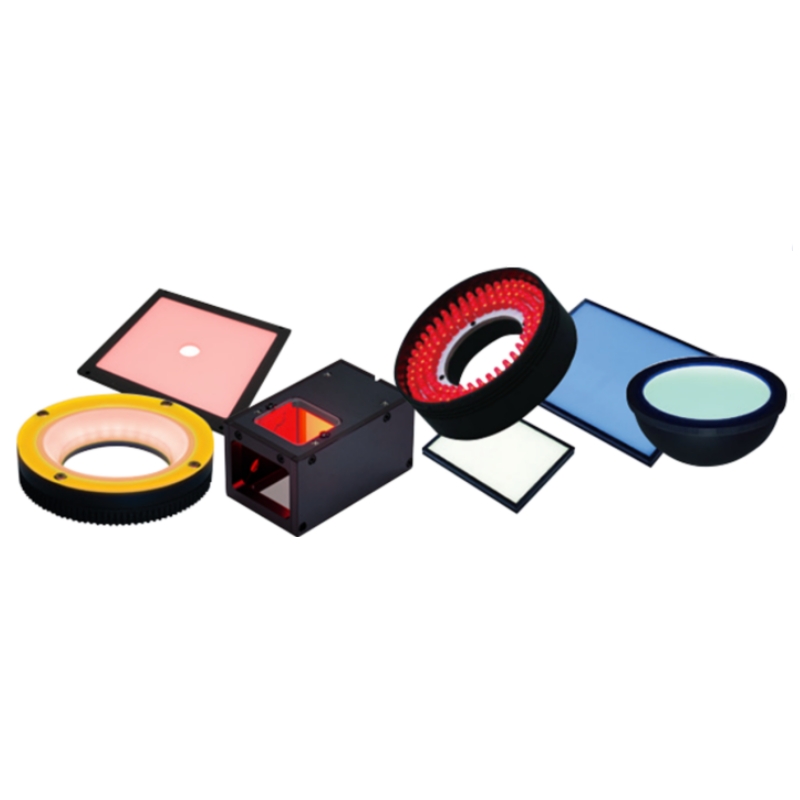
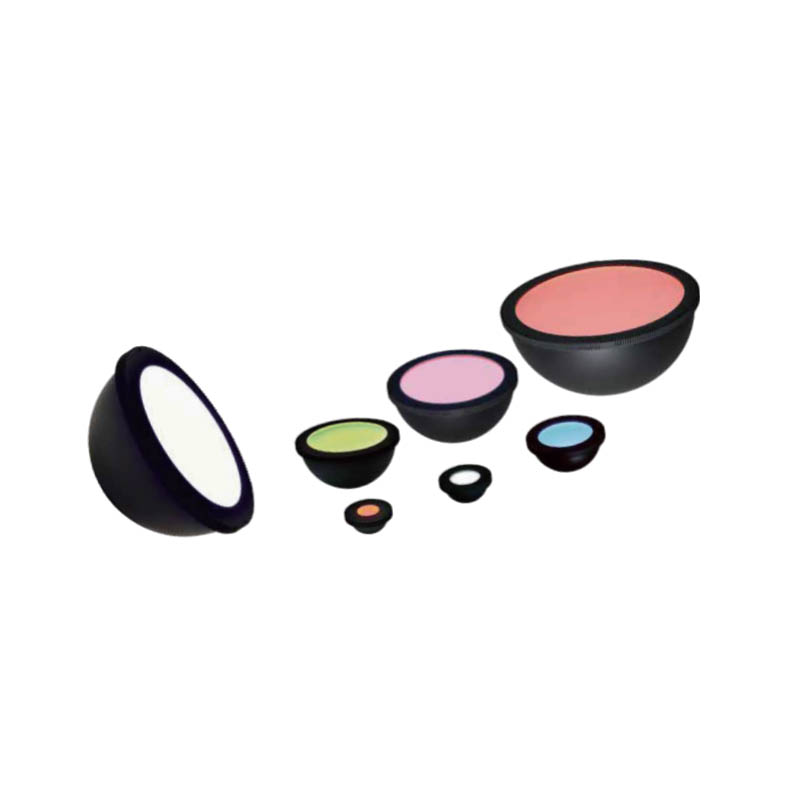
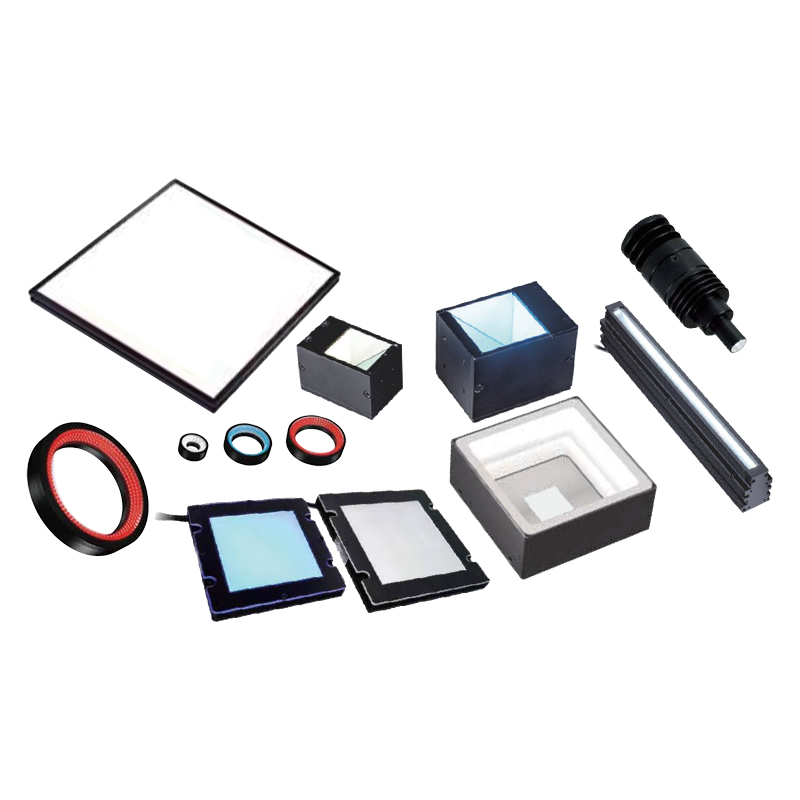
High brightness alone is insufficient for complex inspection tasks; the distribution, angle, and uniformity of light are equally crucial. Machine vision light sources utilize advanced optical components such as freeform surface reflectors, microlens arrays, and light guide plates to precisely guide and shape light. For example, a ring light source can uniformly illuminate the workpiece surface, reducing shadows; a low-angle light source can highlight edges and textures, enhancing the sense of three-dimensionality. Furthermore, programmable multi-zone illumination technology supports independent control of zones, dynamically switching illumination modes according to different inspection needs. This intelligent "on-demand" control makes the light source not only "bright" but also "smart," greatly improving image contrast and feature recognition rate.
3. Thermal Management: The "Stabilizer" Ensuring Continuous High Brightness
High brightness operation inevitably generates high heat. If this heat cannot be dissipated in time, it will lead to LED light decay, shortened lifespan, and even system failure. Therefore, machine vision light sources generally employ high thermal conductivity materials to construct their heat dissipation systems, such as aluminum alloy heat sinks, graphene coatings, and heat pipe technology. Some high-end products also integrate temperature control sensors and intelligent power adjustment algorithms to monitor temperature in real time and dynamically adjust output power, ensuring that the LED always operates within its optimal temperature range. Efficient thermal management not only extends the lifespan of the light source but also guarantees the stability of brightness during long-term operation, avoiding misjudgments caused by light intensity fluctuations.
4. Drive and Control: The "Brain" for Precise Response
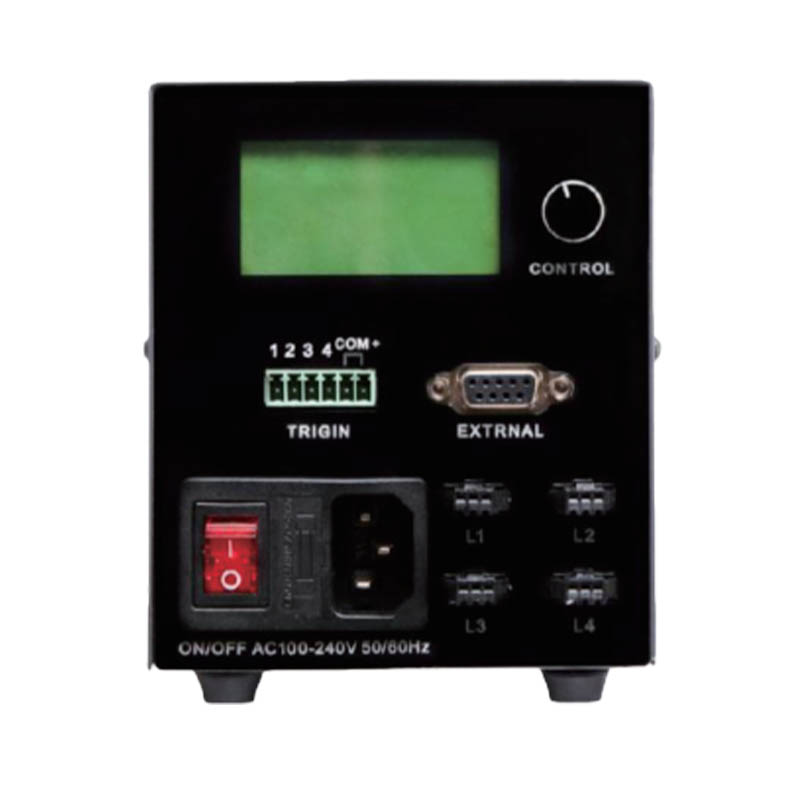
The brightness performance of a light source depends not only on hardware but also on the intelligent drive system. Modern machine vision light sources are equipped with high-precision constant current drive circuits, supporting PWM stepless dimming with an adjustment accuracy of up to 0.1% and a response time in the microsecond range. This allows the light source to be precisely synchronized with the camera shutter, outputting stable, high-brightness light within extremely short exposure times, suitable for clear imaging of fast-moving objects. Simultaneously, it supports external triggering and communication protocol integration, achieving seamless integration with automation systems and improving overall line efficiency.
5. Multi-dimensional Collaboration: From Single Illumination to System-level Optimization
Superior brightness is not an isolated indicator but a comprehensive reflection of spectral matching, uniformity, stability, and environmental adaptability. For example, specific wavelengths of light are selected to enhance contrast for different materials; diffuser design improves illumination uniformity, avoiding overexposure or shadows; and IP67 protection and vibration-resistant structures ensure stable operation under harsh conditions such as dust, humidity, and vibration. It is these detailed system optimizations that enable the machine vision light source to consistently deliver high performance in real-world industrial scenarios.
The exceptional brightness of the machine vision light source is the culmination of collaborative innovation in materials, optics, thermal, and electronic technologies. It is not merely a tool for "illuminating" the object being measured, but also an intelligent partner that improves detection accuracy, accelerates production cycles, and ensures product quality. With the deepening development of intelligent manufacturing, light source technology will continue to evolve, illuminating the future path of industrial automation with smarter, more efficient, and more reliable light.