


How does a light source controller achieve precise control of output power to meet varying brightness requirements when using a potentiometer for stepless adjustment?
Release Time : 2026-03-09
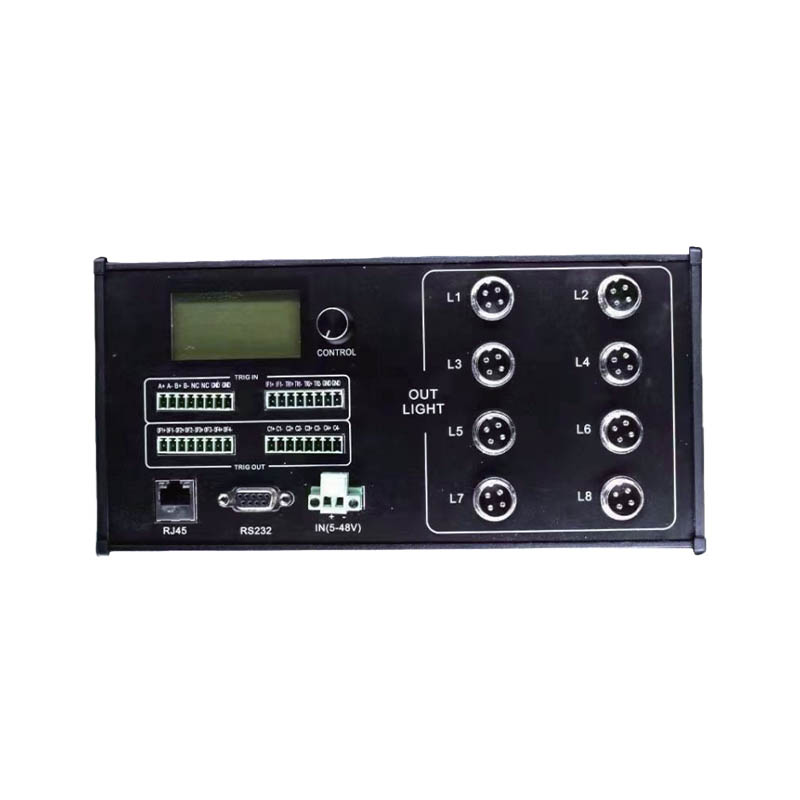
In industrial vision inspection, automation equipment, and precision lighting systems, the light source controller is a key device for ensuring the stability and adjustability of illumination. Different application scenarios have different requirements for light source brightness. For example, machine vision inspection requires a stable and adjustable lighting environment, while automated production lines need to quickly adjust the light source intensity according to different products. To meet these needs, many light source controllers use potentiometers for stepless adjustment, controlling the light source brightness by changing the output power. Stepless adjustment enables continuous brightness changes, making the light source output more precise and stable, thus meeting the lighting needs in different environments.
1. Potentiometer Adjustment Principle for Continuous Power Control
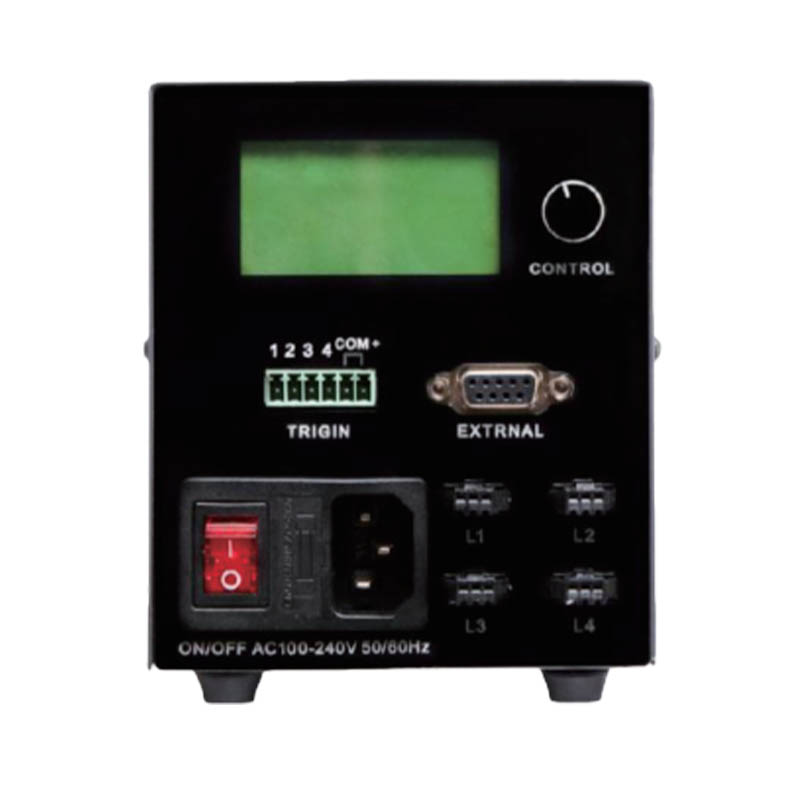
A potentiometer is a common adjustable resistive element. By changing the position of the knob, the resistance value can be adjusted, thereby changing the voltage or current in the circuit. In a light source controller, the potentiometer is typically used to adjust the reference voltage of the control circuit. When the user rotates the potentiometer, the control signal in the circuit changes, driving the power module to adjust the output current or voltage, thus changing the light source brightness accordingly. This adjustment method allows for continuous variation, rather than a few fixed levels, thus enabling more precise matching of different lighting needs.

2. Stable Power Supply Circuit Ensures Output Accuracy
To ensure stable power output after potentiometer adjustment, light source controllers are typically equipped with stable power management circuits. For example, a constant current drive method allows the light source to operate stably at different brightness levels. The constant current circuit automatically adjusts the output voltage, keeping the current within a set range to avoid brightness fluctuations. In this way, even with slight fluctuations in the power input, the light source controller can still maintain stable output power.
3. Precision Control Circuit Enhances Adjustment Sensitivity
In high-precision applications, light source controllers also employ high-sensitivity control circuits to improve adjustment accuracy. For example, operational amplifiers or dedicated control chips can precisely amplify and process the potentiometer output signal, making power adjustment smoother. This design reduces jumps or instability during adjustment, resulting in more subtle brightness changes. Simultaneously, the control circuit can also filter the signal to prevent noise interference from affecting the stability of the light source.
4. Power Modulation Technology for Precise Brightness Control
Some advanced light source control systems incorporate pulse modulation technology to further enhance adjustment precision. For example, by adjusting the pulse width or frequency, the average power output of the light source can be controlled. When the potentiometer changes the control signal, the system automatically adjusts the pulse parameters, allowing the light source brightness to change stably over a wide range. This method not only improves control precision but also reduces power loss, thereby increasing system efficiency.
5. High-Speed Response Design for Dynamic Applications
In automated equipment and machine vision systems, light source brightness may require rapid adjustments; therefore, the response speed of the light source controller is crucial. By optimizing the control circuit structure and employing high-speed signal processing components, the signal adjusted by the potentiometer can be quickly transmitted to the power module, achieving instantaneous brightness changes. This rapid response capability meets the needs of frequent light source adjustments in industrial production, improving system efficiency.
When a light source controller achieves stepless adjustment via a potentiometer, it requires a stable power supply circuit, a precise control system, and efficient power modulation technology to achieve precise control of the output power. Through these technologies, the light source controller can provide stable and flexible brightness adjustment capabilities in different application scenarios, providing reliable lighting support for industrial automation and visual inspection systems.
1. Potentiometer Adjustment Principle for Continuous Power Control
A potentiometer is a common adjustable resistive element. By changing the position of the knob, the resistance value can be adjusted, thereby changing the voltage or current in the circuit. In a light source controller, the potentiometer is typically used to adjust the reference voltage of the control circuit. When the user rotates the potentiometer, the control signal in the circuit changes, driving the power module to adjust the output current or voltage, thus changing the light source brightness accordingly. This adjustment method allows for continuous variation, rather than a few fixed levels, thus enabling more precise matching of different lighting needs.
2. Stable Power Supply Circuit Ensures Output Accuracy
To ensure stable power output after potentiometer adjustment, light source controllers are typically equipped with stable power management circuits. For example, a constant current drive method allows the light source to operate stably at different brightness levels. The constant current circuit automatically adjusts the output voltage, keeping the current within a set range to avoid brightness fluctuations. In this way, even with slight fluctuations in the power input, the light source controller can still maintain stable output power.
3. Precision Control Circuit Enhances Adjustment Sensitivity
In high-precision applications, light source controllers also employ high-sensitivity control circuits to improve adjustment accuracy. For example, operational amplifiers or dedicated control chips can precisely amplify and process the potentiometer output signal, making power adjustment smoother. This design reduces jumps or instability during adjustment, resulting in more subtle brightness changes. Simultaneously, the control circuit can also filter the signal to prevent noise interference from affecting the stability of the light source.
4. Power Modulation Technology for Precise Brightness Control
Some advanced light source control systems incorporate pulse modulation technology to further enhance adjustment precision. For example, by adjusting the pulse width or frequency, the average power output of the light source can be controlled. When the potentiometer changes the control signal, the system automatically adjusts the pulse parameters, allowing the light source brightness to change stably over a wide range. This method not only improves control precision but also reduces power loss, thereby increasing system efficiency.
5. High-Speed Response Design for Dynamic Applications
In automated equipment and machine vision systems, light source brightness may require rapid adjustments; therefore, the response speed of the light source controller is crucial. By optimizing the control circuit structure and employing high-speed signal processing components, the signal adjusted by the potentiometer can be quickly transmitted to the power module, achieving instantaneous brightness changes. This rapid response capability meets the needs of frequent light source adjustments in industrial production, improving system efficiency.
When a light source controller achieves stepless adjustment via a potentiometer, it requires a stable power supply circuit, a precise control system, and efficient power modulation technology to achieve precise control of the output power. Through these technologies, the light source controller can provide stable and flexible brightness adjustment capabilities in different application scenarios, providing reliable lighting support for industrial automation and visual inspection systems.