


How does Machine Vision & Al Solution achieve accurate recognition in complex scenarios?
Release Time : 2026-03-18
Against the backdrop of accelerating intelligent manufacturing and digital transformation, the deep integration of machine vision and artificial intelligence is propelling industrial inspection and recognition capabilities to new heights. Achieving accurate recognition, especially in complex scenarios such as varying lighting, diverse targets, and strong background interference, has always been a challenge for the industry. However, through multi-technology collaboration and system optimization, Machine Vision & Al Solution is gradually overcoming these limitations, achieving high-precision and high-stability recognition results.
1. Multi-Source Data Acquisition: Enhancing Environmental Adaptability
Complex scenarios often involve unstable lighting, severe occlusion, or variable target shapes. Machine vision systems introduce multiple sensors to achieve multi-dimensional acquisition of targets. For example, combining 2D images with 3D depth information allows for a more comprehensive understanding of object contours and spatial structures, reducing errors caused by single visual information. This multi-source data fusion lays the foundation for subsequent accurate recognition.
2. Image Preprocessing Technology: Enhancing Key Information Extraction
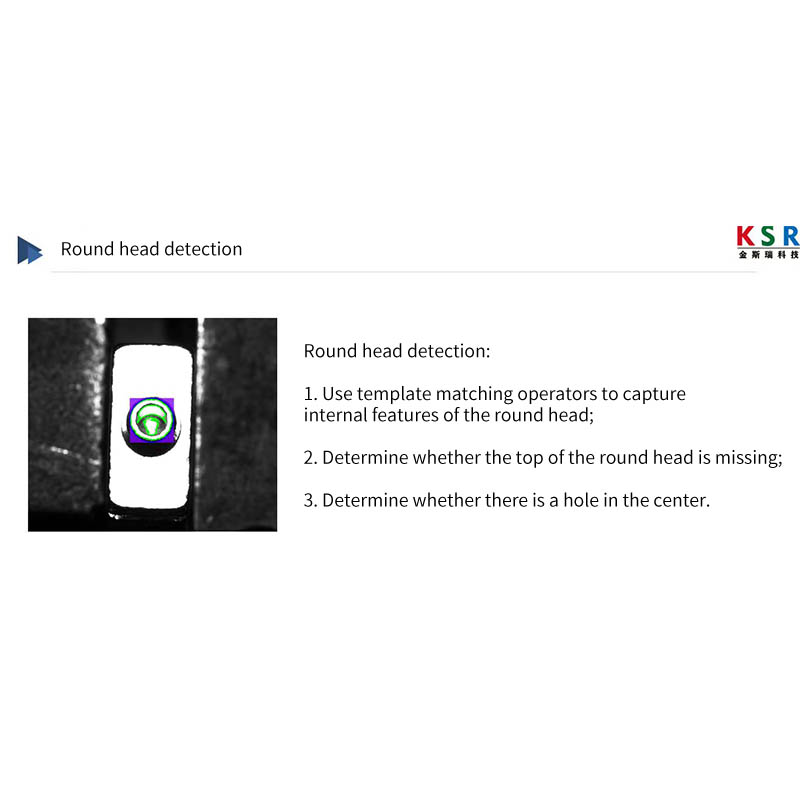
After acquiring the raw image, the system typically performs a series of preprocessing operations, such as noise reduction, contrast enhancement, and edge detection, to improve image quality. In complex contexts, this step is particularly crucial. Algorithm optimization effectively highlights target features, reduces background interference, and makes it easier for the model to identify key areas. This "clean-up before recognition" approach significantly improves overall recognition accuracy.
3. Deep Learning Algorithms: Achieving "Understanding Recognition"
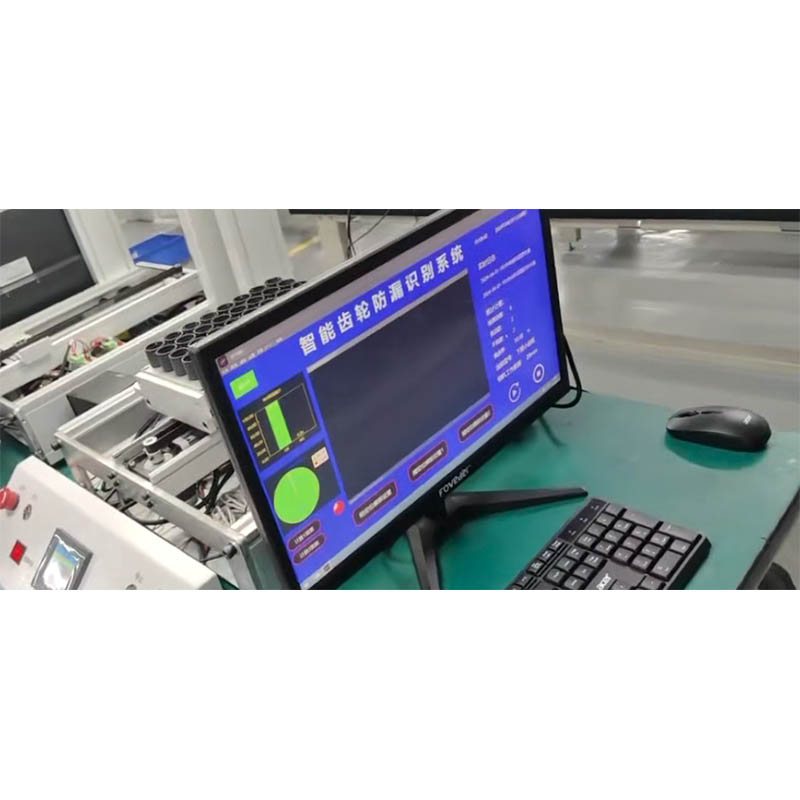
Traditional vision systems rely on manually set rules, while artificial intelligence, especially deep learning models, can autonomously learn target features through training on massive amounts of data. This capability is especially important in complex scenes. AI models can not only recognize the appearance of objects but also understand their structure and patterns of change. Even when faced with occlusion, deformation, or changes in lighting, they can maintain high recognition accuracy, moving from "seeing" to "understanding."
4. Model Training and Optimization: Enhancing Generalization Ability
Accurate recognition relies on high-quality data training. By constructing diverse datasets covering different lighting, angles, backgrounds, and defect types, AI models can continuously improve their adaptability to complex scenes. Simultaneously, through techniques such as model compression and parameter optimization, operational efficiency can be improved while maintaining accuracy, making the system more stable and reliable in practical applications.
5. Real-time Processing and Edge Computing: Ensuring Response Speed
In industrial settings, identification must be not only accurate but also fast. By introducing edge computing technology and deploying some data processing capabilities on local devices, data transmission latency can be reduced, enabling real-time identification and feedback. This is particularly crucial for high-speed production lines or dynamic scenarios, allowing for immediate judgment and preventing losses from false or missed detections.
6. System Integration and Intelligent Decision-Making: Achieving Closed-Loop Control
Machine vision and artificial intelligence are not only used for identification but can also be deeply integrated with automated equipment and control systems to achieve a closed loop from detection to decision-making and execution. For example, after detecting a defect, the system can automatically trigger rejection or adjust process parameters, thereby achieving intelligent production. This integrated solution truly transforms identification results into production value.
Machine vision & AI solutions achieve accurate identification capabilities in complex scenarios through multi-source data acquisition, image preprocessing, deep learning algorithms, and system integration. It not only breaks through the limitations of traditional vision technologies but also provides strong technical support for the development of industrial automation and intelligence, becoming an indispensable and important component of modern manufacturing systems.
1. Multi-Source Data Acquisition: Enhancing Environmental Adaptability
Complex scenarios often involve unstable lighting, severe occlusion, or variable target shapes. Machine vision systems introduce multiple sensors to achieve multi-dimensional acquisition of targets. For example, combining 2D images with 3D depth information allows for a more comprehensive understanding of object contours and spatial structures, reducing errors caused by single visual information. This multi-source data fusion lays the foundation for subsequent accurate recognition.
2. Image Preprocessing Technology: Enhancing Key Information Extraction
After acquiring the raw image, the system typically performs a series of preprocessing operations, such as noise reduction, contrast enhancement, and edge detection, to improve image quality. In complex contexts, this step is particularly crucial. Algorithm optimization effectively highlights target features, reduces background interference, and makes it easier for the model to identify key areas. This "clean-up before recognition" approach significantly improves overall recognition accuracy.
3. Deep Learning Algorithms: Achieving "Understanding Recognition"
Traditional vision systems rely on manually set rules, while artificial intelligence, especially deep learning models, can autonomously learn target features through training on massive amounts of data. This capability is especially important in complex scenes. AI models can not only recognize the appearance of objects but also understand their structure and patterns of change. Even when faced with occlusion, deformation, or changes in lighting, they can maintain high recognition accuracy, moving from "seeing" to "understanding."
4. Model Training and Optimization: Enhancing Generalization Ability
Accurate recognition relies on high-quality data training. By constructing diverse datasets covering different lighting, angles, backgrounds, and defect types, AI models can continuously improve their adaptability to complex scenes. Simultaneously, through techniques such as model compression and parameter optimization, operational efficiency can be improved while maintaining accuracy, making the system more stable and reliable in practical applications.
5. Real-time Processing and Edge Computing: Ensuring Response Speed
In industrial settings, identification must be not only accurate but also fast. By introducing edge computing technology and deploying some data processing capabilities on local devices, data transmission latency can be reduced, enabling real-time identification and feedback. This is particularly crucial for high-speed production lines or dynamic scenarios, allowing for immediate judgment and preventing losses from false or missed detections.
6. System Integration and Intelligent Decision-Making: Achieving Closed-Loop Control
Machine vision and artificial intelligence are not only used for identification but can also be deeply integrated with automated equipment and control systems to achieve a closed loop from detection to decision-making and execution. For example, after detecting a defect, the system can automatically trigger rejection or adjust process parameters, thereby achieving intelligent production. This integrated solution truly transforms identification results into production value.
Machine vision & AI solutions achieve accurate identification capabilities in complex scenarios through multi-source data acquisition, image preprocessing, deep learning algorithms, and system integration. It not only breaks through the limitations of traditional vision technologies but also provides strong technical support for the development of industrial automation and intelligence, becoming an indispensable and important component of modern manufacturing systems.