


How do machine vision light sources ensure stable operation in complex electrical environments?
Release Time : 2026-01-19
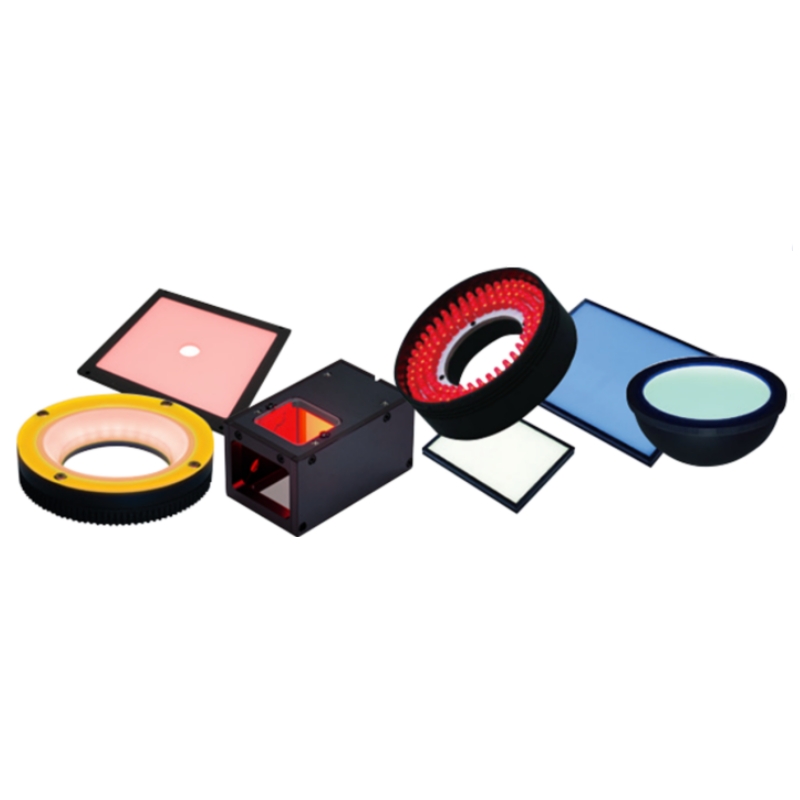
In modern industrial automation systems, machine vision, acting as the "eyes," undertakes critical tasks such as positioning, identification, measurement, and defect detection. Its performance is highly dependent on the stability and reliability of the lighting system. Especially in complex electrical environments such as automotive manufacturing, electronic assembly, and metal processing, dense equipment, strong electromagnetic interference, and frequent voltage fluctuations place stringent requirements on the anti-interference and operational stability of machine vision light sources. To address this challenge, high-performance machine vision light sources utilize multiple technical means, including circuit design optimization, shielding protection, power management, and structural integration, to ensure consistent and reliable lighting output even under harsh operating conditions.
1. Electromagnetic Interference Resistant Design: Suppressing Noise Coupling at the Source
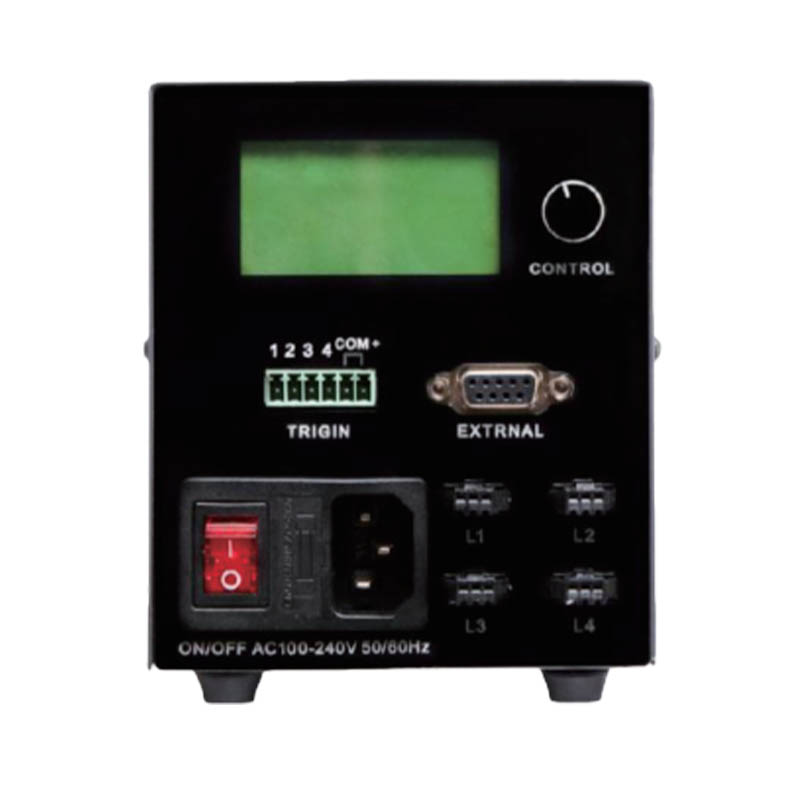
Instruments such as frequency converters, servo motors, and high-power relays in complex electrical environments generate strong electromagnetic radiation and conducted interference, which can easily affect the light source drive circuit through power lines or spatial coupling, causing LED flicker, brightness drift, or even false triggering. To address this issue, high-end machine vision light sources generally use a fully enclosed metal casing as an electromagnetic shielding layer, effectively blocking external high-frequency noise. Meanwhile, the internal drive circuit integrates an EMI filter, common-mode choke, and TVS transient suppression diodes, providing multi-stage filtering and surge protection for the power input. Furthermore, the LED driver chip is an industrial-grade wide-temperature, high-immunity model, and through PCB layout optimization, its own electromagnetic emissions and sensitivity are minimized, meeting IEC 61000-4 series electromagnetic compatibility standards.
2. High-Density LED Chips and Constant Current Drive: Ensuring Long-Term Brightness Stability
Light source stability refers not only to anti-interference capability but also to the consistency of light output over long-term operation. The use of a high-density LED chip array not only improves brightness per unit area but also disperses heat load through multi-point emission, reducing the junction temperature rise rate of individual LEDs. Combined with a high-precision constant current drive circuit, even if the input voltage fluctuates within ±15%, the LED current remains constant, ensuring flicker-free and undiminished brightness. Some high-end products also incorporate a temperature sensor, automatically adjusting the current to maintain stable luminous flux when overheating is detected, avoiding imaging deviations caused by temperature drift.
3. Industrial-Grade Reinforced Structure and Interfaces
To withstand the vibration, dust, and oily environments of factory sites, machine vision light sources typically have an IP65 or higher protection rating. Sealing rings, waterproof connectors, and a fanless passive cooling design allow for long-term operation without failure in humid and dusty environments. Power and signal interfaces use industrial-grade aviation plugs or M12 connectors, providing excellent locking and pull-out resistance to prevent power outages due to loose cables. Optional diffusers not only improve light uniformity, but their acrylic or quartz material also provides secondary sealing and scratch protection, further enhancing environmental adaptability.
4. Customized Integration Enhances System Robustness
For specific application scenarios, the light source can be customized in shape, installation method, and triggering logic according to customer needs. For example, a strip light source with a metal mesh shield can be used in vision systems deployed near welding robots; in high-speed aerial inspection, a TTL/RS485 synchronous trigger interface is integrated to ensure millisecond-level precise synchronization with the camera. This deep customization not only optimizes optical performance but also seamlessly integrates the light source into the overall control system, reducing external interference paths and improving overall robustness.
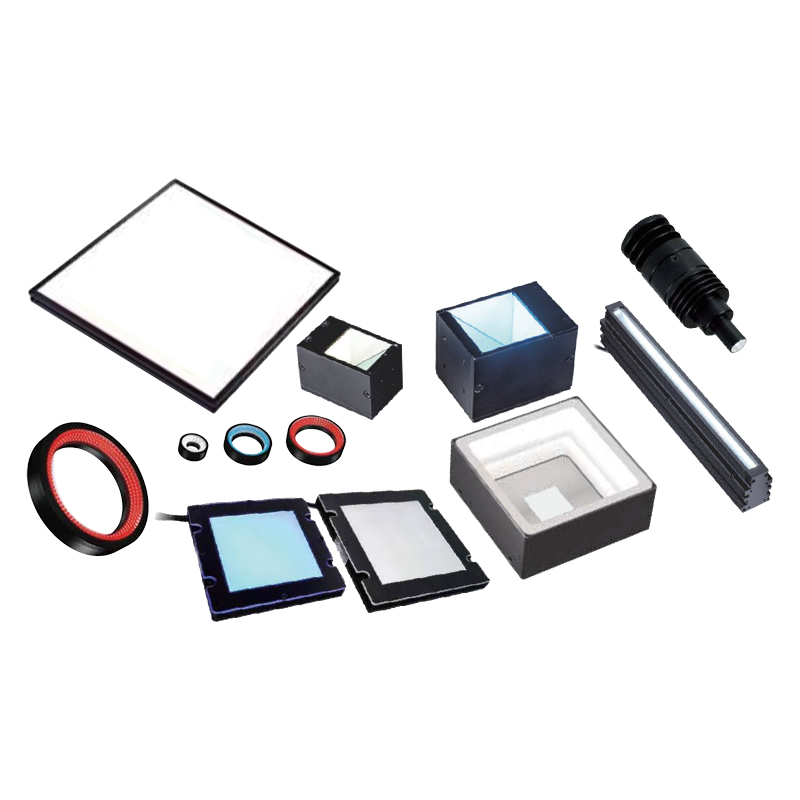
The stable operation of machine vision light sources in complex electrical environments is not the result of a single technology but a comprehensive reflection of electromagnetic compatibility design, precision drive control, industrial structural protection, and system integration capabilities. Through end-to-end reliability assurance from circuitry to housing, and from chip to interface, modern machine vision light sources can continuously output high-quality lighting that is "clear and accurate" in the most demanding industrial environments, providing a solid and reliable visual foundation for intelligent manufacturing.
1. Electromagnetic Interference Resistant Design: Suppressing Noise Coupling at the Source
Instruments such as frequency converters, servo motors, and high-power relays in complex electrical environments generate strong electromagnetic radiation and conducted interference, which can easily affect the light source drive circuit through power lines or spatial coupling, causing LED flicker, brightness drift, or even false triggering. To address this issue, high-end machine vision light sources generally use a fully enclosed metal casing as an electromagnetic shielding layer, effectively blocking external high-frequency noise. Meanwhile, the internal drive circuit integrates an EMI filter, common-mode choke, and TVS transient suppression diodes, providing multi-stage filtering and surge protection for the power input. Furthermore, the LED driver chip is an industrial-grade wide-temperature, high-immunity model, and through PCB layout optimization, its own electromagnetic emissions and sensitivity are minimized, meeting IEC 61000-4 series electromagnetic compatibility standards.
2. High-Density LED Chips and Constant Current Drive: Ensuring Long-Term Brightness Stability
Light source stability refers not only to anti-interference capability but also to the consistency of light output over long-term operation. The use of a high-density LED chip array not only improves brightness per unit area but also disperses heat load through multi-point emission, reducing the junction temperature rise rate of individual LEDs. Combined with a high-precision constant current drive circuit, even if the input voltage fluctuates within ±15%, the LED current remains constant, ensuring flicker-free and undiminished brightness. Some high-end products also incorporate a temperature sensor, automatically adjusting the current to maintain stable luminous flux when overheating is detected, avoiding imaging deviations caused by temperature drift.
3. Industrial-Grade Reinforced Structure and Interfaces
To withstand the vibration, dust, and oily environments of factory sites, machine vision light sources typically have an IP65 or higher protection rating. Sealing rings, waterproof connectors, and a fanless passive cooling design allow for long-term operation without failure in humid and dusty environments. Power and signal interfaces use industrial-grade aviation plugs or M12 connectors, providing excellent locking and pull-out resistance to prevent power outages due to loose cables. Optional diffusers not only improve light uniformity, but their acrylic or quartz material also provides secondary sealing and scratch protection, further enhancing environmental adaptability.
4. Customized Integration Enhances System Robustness
For specific application scenarios, the light source can be customized in shape, installation method, and triggering logic according to customer needs. For example, a strip light source with a metal mesh shield can be used in vision systems deployed near welding robots; in high-speed aerial inspection, a TTL/RS485 synchronous trigger interface is integrated to ensure millisecond-level precise synchronization with the camera. This deep customization not only optimizes optical performance but also seamlessly integrates the light source into the overall control system, reducing external interference paths and improving overall robustness.
The stable operation of machine vision light sources in complex electrical environments is not the result of a single technology but a comprehensive reflection of electromagnetic compatibility design, precision drive control, industrial structural protection, and system integration capabilities. Through end-to-end reliability assurance from circuitry to housing, and from chip to interface, modern machine vision light sources can continuously output high-quality lighting that is "clear and accurate" in the most demanding industrial environments, providing a solid and reliable visual foundation for intelligent manufacturing.