


How is the stability of the light source controller ensured in industrial vision inspection systems?
Release Time : 2026-03-23
The light source controller is a critical component in industrial vision inspection systems, and its stability directly affects image acquisition quality and the accuracy of inspection results. Due to the complex industrial environment and high cycle time requirements, the light source controller must maintain stable output and rapid response during long-term, high-frequency operation. Stability can be effectively ensured through optimization in hardware design, control methods, anti-interference capabilities, and system coordination.
1. Precise Dimming Control Ensures Stable Light Output
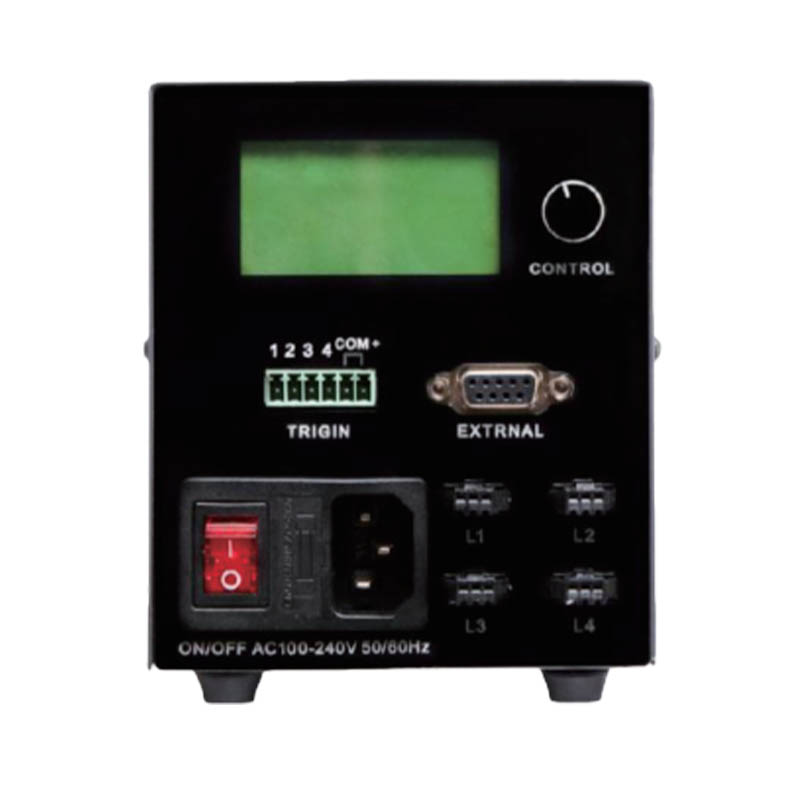
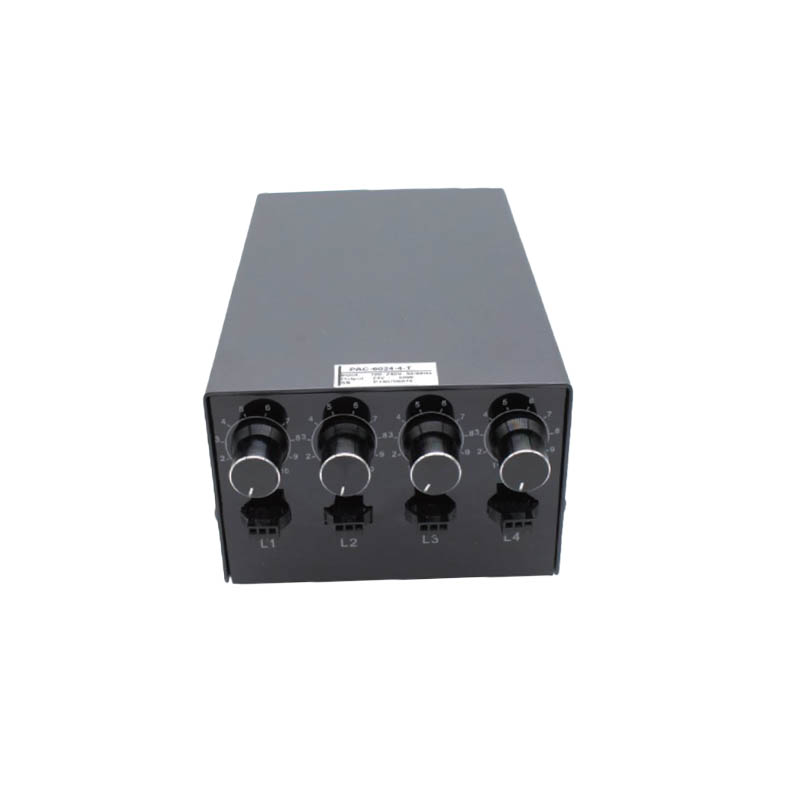
Light source controllers typically use potentiometers or digital adjustment methods to achieve stepless adjustment of output power. In industrial vision inspection, different products and inspection requirements require different light intensities. The controller precisely adjusts the current or voltage output to keep the light source brightness constant, avoiding the impact of brightness fluctuations on image quality. A stable lighting environment ensures that the camera acquires clear and consistent images, providing a reliable foundation for subsequent analysis.
2. High-Speed Optical Coupling Technology Improves Response Consistency
On high-speed production lines, vision inspection often needs to be synchronized with camera triggering. The light source controller incorporates a high-speed optocoupler, enabling rapid response to external trigger signals and ensuring the light source illuminates or extinguishes in a very short time. This high response speed not only improves detection efficiency but also ensures consistent illumination conditions for each exposure, thereby reducing false detections and missed detections and improving system stability.

3. Superior Power Supply Design Reduces the Impact of Fluctuations
Power supply stability is a crucial factor affecting the performance of the light source controller. High-quality controllers typically employ voltage regulation circuits and filtering designs to reduce the impact of input voltage fluctuations, keeping the output current stable. Simultaneously, overvoltage and overcurrent protection mechanisms prevent damage to the equipment from abnormal power conditions, ensuring long-term reliable system operation.
4. Electromagnetic Interference Resistance Ensures Signal Purity
Industrial environments contain numerous motors, frequency converters, and other equipment that generate electromagnetic interference. The light source controller effectively reduces the impact of external interference on the control signal through shielding design, proper wiring, and filtering circuits. Stable signal transmission ensures that the light source output is unaffected by interference fluctuations, thus maintaining the stable operation of the detection system.
5. Heat Dissipation Design Enhances Long-Term Reliability
The light source controller generates heat during prolonged operation. Poor heat dissipation can lead to performance degradation or component aging. By employing efficient heat dissipation structures, such as heat sinks or metal casings, internal temperatures can be effectively reduced, ensuring electronic components operate within safe limits. Good thermal management not only improves stability but also extends equipment lifespan.
6. System Integration and Matching Optimize Overall Performance
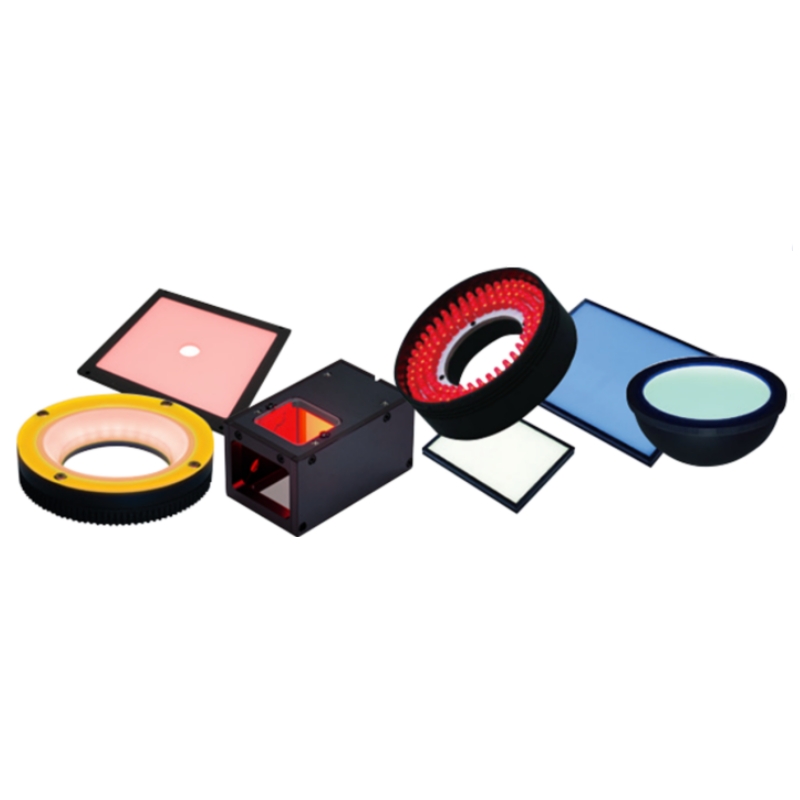
Light source controllers typically work in conjunction with industrial cameras, lenses, and light source systems. By appropriately matching controller output parameters with light source characteristics and synchronizing with camera trigger signals, stable system operation can be achieved. Furthermore, standardized interfaces and compatibility design allow the controller to adapt to different device combinations, reducing system debugging difficulty.
In summary, the stability of a light source controller in an industrial vision inspection system depends on multiple factors, including precise dimming, high-speed response, stable power supply, anti-interference capabilities, and excellent heat dissipation design. Through the comprehensive application of these technologies, the controller can continuously provide stable light output in complex industrial environments, providing a solid guarantee for the efficient and accurate operation of the vision inspection system.
1. Precise Dimming Control Ensures Stable Light Output
Light source controllers typically use potentiometers or digital adjustment methods to achieve stepless adjustment of output power. In industrial vision inspection, different products and inspection requirements require different light intensities. The controller precisely adjusts the current or voltage output to keep the light source brightness constant, avoiding the impact of brightness fluctuations on image quality. A stable lighting environment ensures that the camera acquires clear and consistent images, providing a reliable foundation for subsequent analysis.
2. High-Speed Optical Coupling Technology Improves Response Consistency
On high-speed production lines, vision inspection often needs to be synchronized with camera triggering. The light source controller incorporates a high-speed optocoupler, enabling rapid response to external trigger signals and ensuring the light source illuminates or extinguishes in a very short time. This high response speed not only improves detection efficiency but also ensures consistent illumination conditions for each exposure, thereby reducing false detections and missed detections and improving system stability.
3. Superior Power Supply Design Reduces the Impact of Fluctuations
Power supply stability is a crucial factor affecting the performance of the light source controller. High-quality controllers typically employ voltage regulation circuits and filtering designs to reduce the impact of input voltage fluctuations, keeping the output current stable. Simultaneously, overvoltage and overcurrent protection mechanisms prevent damage to the equipment from abnormal power conditions, ensuring long-term reliable system operation.
4. Electromagnetic Interference Resistance Ensures Signal Purity
Industrial environments contain numerous motors, frequency converters, and other equipment that generate electromagnetic interference. The light source controller effectively reduces the impact of external interference on the control signal through shielding design, proper wiring, and filtering circuits. Stable signal transmission ensures that the light source output is unaffected by interference fluctuations, thus maintaining the stable operation of the detection system.
5. Heat Dissipation Design Enhances Long-Term Reliability
The light source controller generates heat during prolonged operation. Poor heat dissipation can lead to performance degradation or component aging. By employing efficient heat dissipation structures, such as heat sinks or metal casings, internal temperatures can be effectively reduced, ensuring electronic components operate within safe limits. Good thermal management not only improves stability but also extends equipment lifespan.
6. System Integration and Matching Optimize Overall Performance
Light source controllers typically work in conjunction with industrial cameras, lenses, and light source systems. By appropriately matching controller output parameters with light source characteristics and synchronizing with camera trigger signals, stable system operation can be achieved. Furthermore, standardized interfaces and compatibility design allow the controller to adapt to different device combinations, reducing system debugging difficulty.
In summary, the stability of a light source controller in an industrial vision inspection system depends on multiple factors, including precise dimming, high-speed response, stable power supply, anti-interference capabilities, and excellent heat dissipation design. Through the comprehensive application of these technologies, the controller can continuously provide stable light output in complex industrial environments, providing a solid guarantee for the efficient and accurate operation of the vision inspection system.