


How can machine vision light sources achieve high-brightness illumination and improve imaging accuracy using high-density LED chips?
Release Time : 2026-04-07
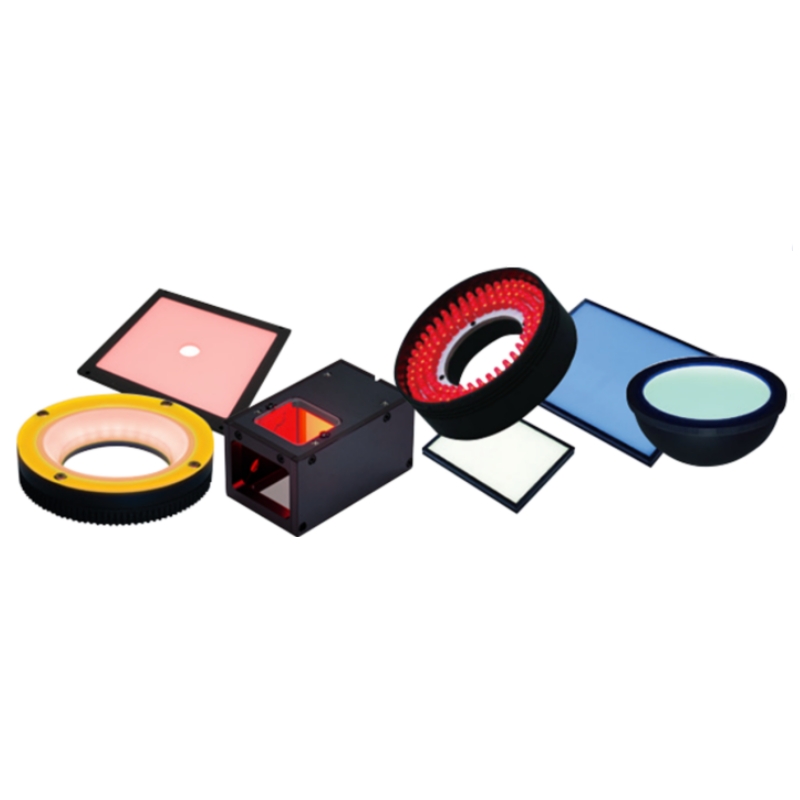
In modern industrial automation and intelligent manufacturing, machine vision systems play a crucial role. High-precision inspection, sorting, and quality control all rely on high-quality imaging, and the light source, as a core component of the machine vision system, directly affects image clarity and inspection accuracy. Machine vision light source employing high-density LED chips provide reliable illumination conditions for industrial inspection by offering high-brightness, uniform, and controllable lighting, thereby significantly improving imaging accuracy and production efficiency.
1. Brightness Advantages of High-Density LED Chips
High-density LED chips integrate more light-emitting units per unit area, resulting in a significant increase in overall light source brightness. This high-brightness output can provide sufficient illumination in a short time, ensuring that the camera sensor receives enough photons even in high-speed inspection or high-speed production line environments, thus forming clear, noise-free images. The increased brightness not only improves image quality but also enables machine vision systems to accurately identify workpiece features even in low-contrast or low-light conditions, reducing the risk of missed and false detections.
2. The Impact of Illumination Uniformity on Imaging Accuracy
3. Response Speed and Controllability of High-Density LED Light Sources
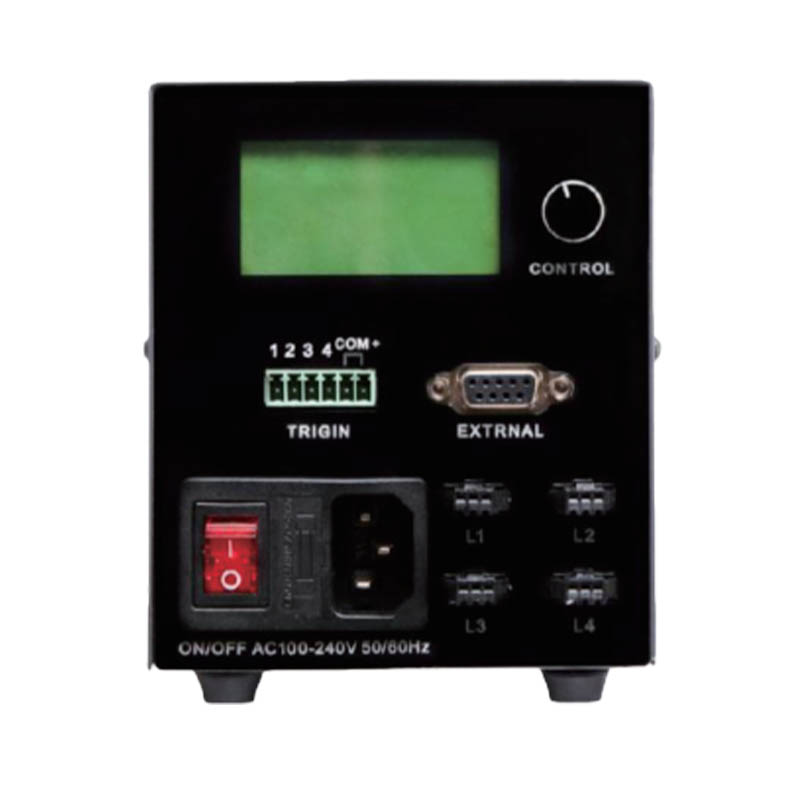
Compared to traditional light sources, high-density LED light sources have fast response characteristics. LEDs can achieve brightness switching in milliseconds or even microseconds, which is crucial for machine vision systems that require synchronization with high-speed cameras. On high-speed production lines, precise synchronization between the light source and the camera ensures that each frame of the image is captured under optimal lighting conditions, thereby reducing motion blur and uneven exposure problems. Furthermore, through digital control and PWM dimming technology, high-density LED light sources can flexibly adjust brightness and light intensity distribution to meet the differentiated lighting requirements of various workpiece materials, surface reflectivity, and inspection needs.
4. Diffusers and Optical Design Enhance Light Quality
To further optimize imaging, high-density LED light sources are typically equipped with diffusers or optical lens systems. Diffusers soften the light, eliminate localized light spots and highly reflective areas, resulting in more uniform light distribution and reduced shadows and reflection interference. This is particularly important for the inspection of metal, glass, or highly reflective surfaces, helping cameras capture subtle features and improving the accuracy of defect detection, dimensional measurement, or pattern recognition. A well-designed optical system combined with high-density LED chips allows the light source to maintain high brightness while providing stable and uniform illumination conditions, thus significantly improving image quality.
5. Heat Dissipation Design Ensures Long-Term Stability
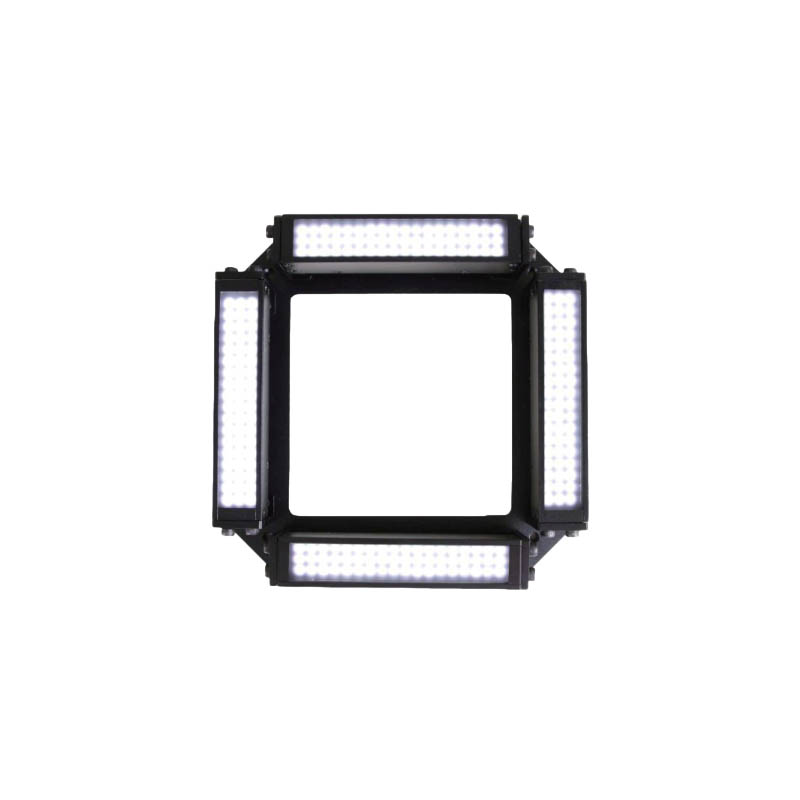
While high-density LED chips offer high brightness, they also generate significant heat. Increased temperature can lead to light decay, uneven brightness, or shortened lifespan. To ensure imaging stability and light source lifespan, modern machine vision light sources are typically equipped with efficient heat dissipation systems, such as aluminum substrates, air cooling, or active cooling devices, ensuring the chip operates at its optimal temperature. Stable illumination not only maintains consistent image brightness but also avoids brightness drift or color temperature changes caused by thermal effects, guaranteeing the reliability of the vision system during long-term use.
6. Comprehensive Advantages and Application Value
The high-brightness illumination achieved through high-density LED chips gives machine vision light sources significant advantages in industrial inspection: high-speed response, ample brightness, uniform light, strong adjustability, and long-term stability. Whether in electronic component inspection, food packaging quality control, automotive parts measurement, or high-reflectivity material inspection, high-density LED light sources provide a reliable lighting environment, helping machine vision systems capture clear images and improving inspection accuracy and production efficiency.
In summary, machine vision light sources, through high-density LED chips providing high brightness and uniform illumination, combined with diffusers, optical design, and effective heat dissipation, achieve a significant improvement in imaging accuracy. This high-performance light source not only meets the demand for high-speed and high-precision detection in industrial automation, but also provides a solid optical foundation for intelligent manufacturing and high-quality production.
1. Brightness Advantages of High-Density LED Chips
High-density LED chips integrate more light-emitting units per unit area, resulting in a significant increase in overall light source brightness. This high-brightness output can provide sufficient illumination in a short time, ensuring that the camera sensor receives enough photons even in high-speed inspection or high-speed production line environments, thus forming clear, noise-free images. The increased brightness not only improves image quality but also enables machine vision systems to accurately identify workpiece features even in low-contrast or low-light conditions, reducing the risk of missed and false detections.
2. The Impact of Illumination Uniformity on Imaging Accuracy
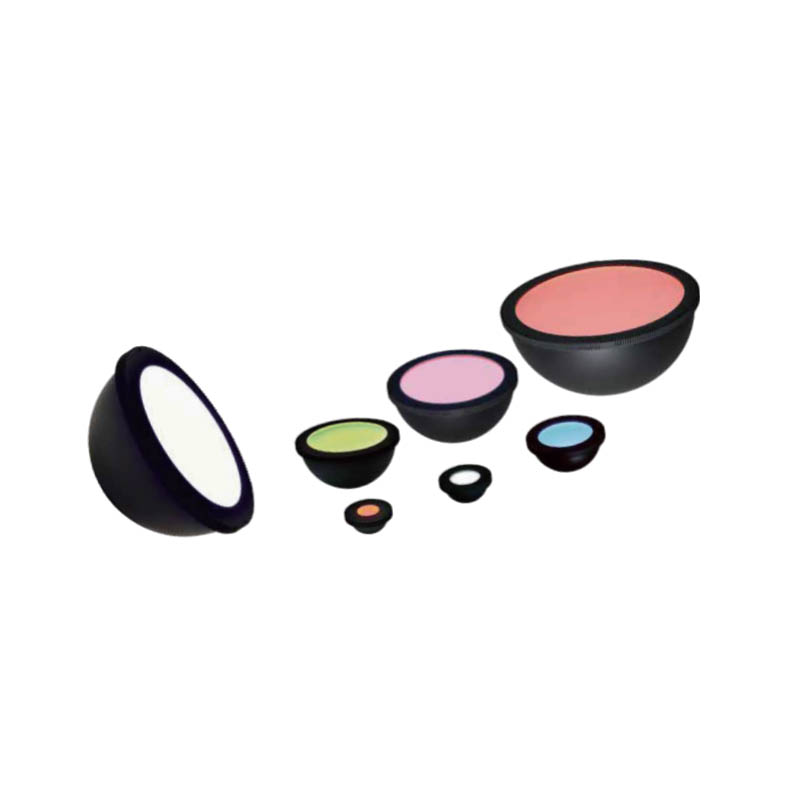
In visual inspection, the uniformity of the light source is closely related to imaging accuracy. High-density LED light sources, through proper chip arrangement and optical design, can achieve more uniform light coverage on the workpiece surface, reducing light spots, shadows, and localized reflections. This uniform illumination ensures that the brightness of all areas is relatively consistent when the camera captures an image, thereby stabilizing image grayscale and contrast and providing accurate feature information for image processing algorithms. For example, when detecting tiny cracks or engraved characters, uniform illumination can significantly improve edge recognition accuracy and defect detection capabilities.
3. Response Speed and Controllability of High-Density LED Light Sources
Compared to traditional light sources, high-density LED light sources have fast response characteristics. LEDs can achieve brightness switching in milliseconds or even microseconds, which is crucial for machine vision systems that require synchronization with high-speed cameras. On high-speed production lines, precise synchronization between the light source and the camera ensures that each frame of the image is captured under optimal lighting conditions, thereby reducing motion blur and uneven exposure problems. Furthermore, through digital control and PWM dimming technology, high-density LED light sources can flexibly adjust brightness and light intensity distribution to meet the differentiated lighting requirements of various workpiece materials, surface reflectivity, and inspection needs.
4. Diffusers and Optical Design Enhance Light Quality
To further optimize imaging, high-density LED light sources are typically equipped with diffusers or optical lens systems. Diffusers soften the light, eliminate localized light spots and highly reflective areas, resulting in more uniform light distribution and reduced shadows and reflection interference. This is particularly important for the inspection of metal, glass, or highly reflective surfaces, helping cameras capture subtle features and improving the accuracy of defect detection, dimensional measurement, or pattern recognition. A well-designed optical system combined with high-density LED chips allows the light source to maintain high brightness while providing stable and uniform illumination conditions, thus significantly improving image quality.
5. Heat Dissipation Design Ensures Long-Term Stability
While high-density LED chips offer high brightness, they also generate significant heat. Increased temperature can lead to light decay, uneven brightness, or shortened lifespan. To ensure imaging stability and light source lifespan, modern machine vision light sources are typically equipped with efficient heat dissipation systems, such as aluminum substrates, air cooling, or active cooling devices, ensuring the chip operates at its optimal temperature. Stable illumination not only maintains consistent image brightness but also avoids brightness drift or color temperature changes caused by thermal effects, guaranteeing the reliability of the vision system during long-term use.
6. Comprehensive Advantages and Application Value
The high-brightness illumination achieved through high-density LED chips gives machine vision light sources significant advantages in industrial inspection: high-speed response, ample brightness, uniform light, strong adjustability, and long-term stability. Whether in electronic component inspection, food packaging quality control, automotive parts measurement, or high-reflectivity material inspection, high-density LED light sources provide a reliable lighting environment, helping machine vision systems capture clear images and improving inspection accuracy and production efficiency.
In summary, machine vision light sources, through high-density LED chips providing high brightness and uniform illumination, combined with diffusers, optical design, and effective heat dissipation, achieve a significant improvement in imaging accuracy. This high-performance light source not only meets the demand for high-speed and high-precision detection in industrial automation, but also provides a solid optical foundation for intelligent manufacturing and high-quality production.