


How does the adoption of high-density LED chips in machine vision light sources improve image recognition accuracy and detail capture capabilities?
Release Time : 2026-05-12
With the rapid development of modern industrial automation and intelligent manufacturing, machine vision systems are widely used in electronics manufacturing, automotive parts inspection, food packaging recognition, and precision machining. As a crucial component of vision systems, machine vision light sources directly impact image acquisition quality and subsequent recognition accuracy. With the continuous maturation of high-density LED chip technology, machine vision light sources have seen significant improvements in brightness, uniformity, and response speed, effectively enhancing image recognition accuracy and detail capture capabilities.
1. High-Brightness Illumination Enhances Image Clarity
One of the biggest advantages of high-density LED chips is their ability to provide higher brightness output. For machine vision systems, sufficient and stable illumination improves camera image clarity, making the edges, textures, and minute defects of the inspected object more apparent. In high-speed inspection scenarios, strong illumination can also shorten camera exposure time, reducing motion blur and thus improving image acquisition accuracy.
2. Uniform Illumination Reduces Image Errors
Traditional light sources are prone to uneven brightness during illumination, resulting in areas that are too bright or too dark, affecting the inspection results. High-density LED chips are more densely packed, and when combined with a diffuser design, they create a more uniform and stable lighting environment. This uniformity reduces shadows and glare interference, allowing the vision system to obtain more consistent image data, thereby improving recognition accuracy.
3. Enhanced Micro-defect Recognition Ability
In the inspection of electronic components, semiconductors, and precision mechanical parts, many defects are extremely small, such as scratches, cracks, or tiny stains. Without sufficient lighting, these defects are often difficult to detect clearly. High-density LED light sources, due to their concentrated brightness and strong directionality, can effectively enhance detail contrast, making micro-defects more prominent, thus improving the detection sensitivity of the machine vision system.
4. Multi-Angle Illumination Enhances Edge Contours
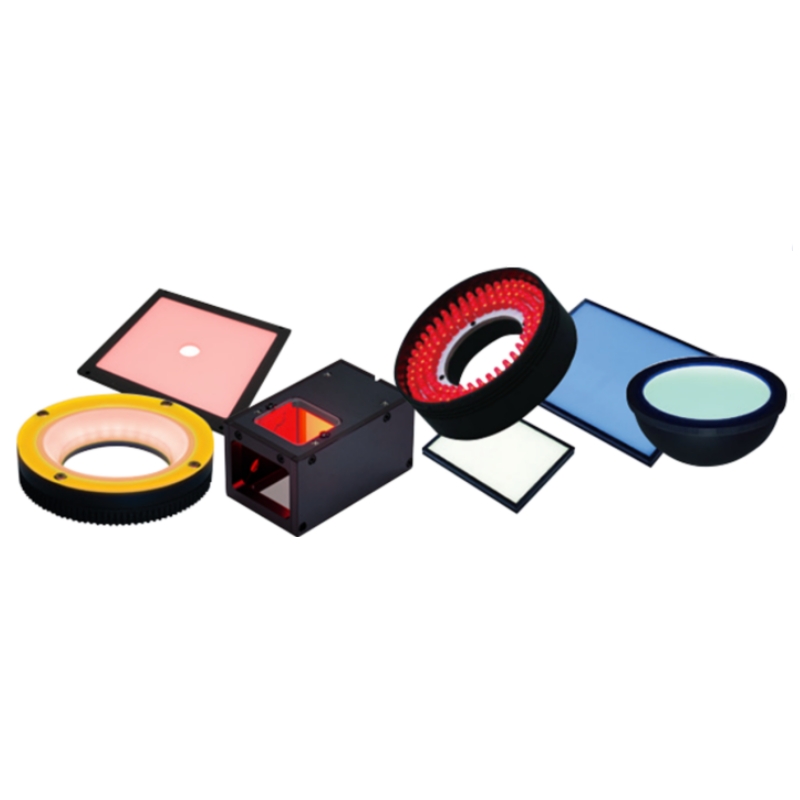
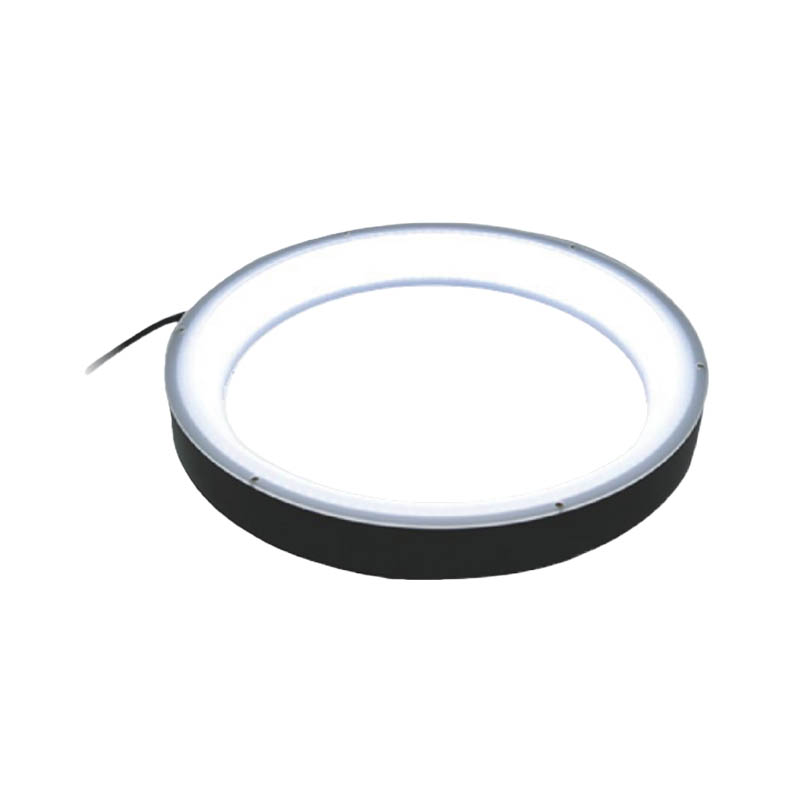
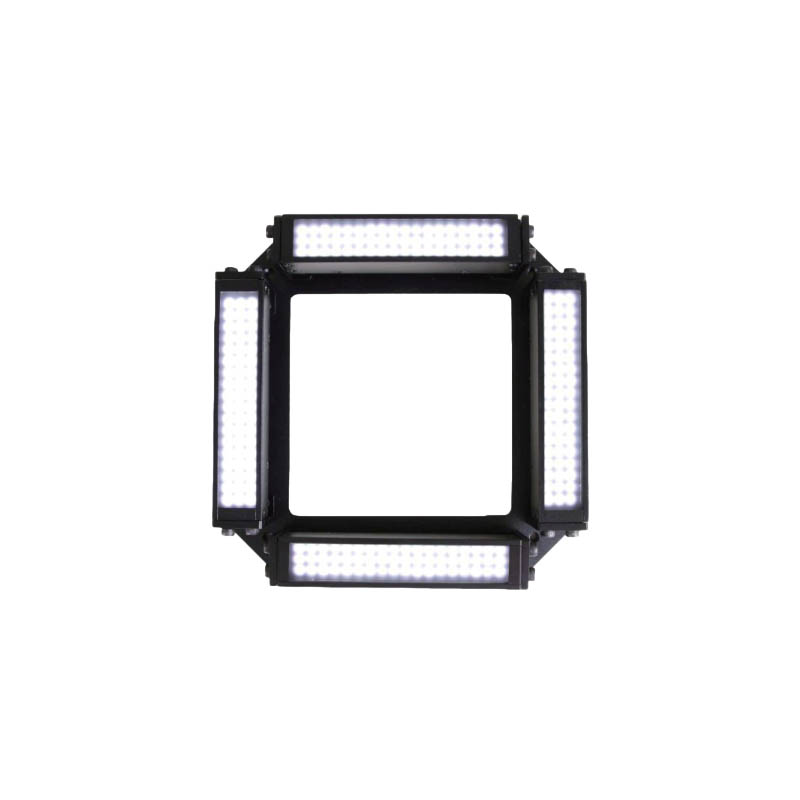
Different industrial products have significantly different surface materials, such as metal, plastic, or glass, which easily produce complex reflections. High-density LED light sources can be flexibly combined into different lighting patterns such as rings, strips, or backlighting according to inspection needs, enhancing the edge contours of products through multi-angle illumination. This not only reduces glare interference but also helps the machine vision system more accurately identify product size and shape features.
5. Rapid Response Improves Dynamic Detection Efficiency
6. Stable Heat Dissipation Extends System Lifespan
High brightness output generates heat; insufficient heat dissipation can negatively impact light source stability. Modern high-density LED machine vision light sources typically employ aluminum alloy heat dissipation structures, thermally conductive substrates, and intelligent temperature control designs to effectively reduce chip operating temperatures. Stable thermal management not only maintains brightness consistency but also extends light source lifespan, ensuring long-term stable operation of the machine vision system.
By using high-density LED chips, machine vision light sources effectively enhance image recognition accuracy and detail capture capabilities by improving brightness, optimizing illumination uniformity, enhancing detail contrast, and improving dynamic response, providing a more efficient, accurate, and stable vision solution for modern industrial automation inspection.
1. High-Brightness Illumination Enhances Image Clarity
One of the biggest advantages of high-density LED chips is their ability to provide higher brightness output. For machine vision systems, sufficient and stable illumination improves camera image clarity, making the edges, textures, and minute defects of the inspected object more apparent. In high-speed inspection scenarios, strong illumination can also shorten camera exposure time, reducing motion blur and thus improving image acquisition accuracy.
2. Uniform Illumination Reduces Image Errors
Traditional light sources are prone to uneven brightness during illumination, resulting in areas that are too bright or too dark, affecting the inspection results. High-density LED chips are more densely packed, and when combined with a diffuser design, they create a more uniform and stable lighting environment. This uniformity reduces shadows and glare interference, allowing the vision system to obtain more consistent image data, thereby improving recognition accuracy.
3. Enhanced Micro-defect Recognition Ability
In the inspection of electronic components, semiconductors, and precision mechanical parts, many defects are extremely small, such as scratches, cracks, or tiny stains. Without sufficient lighting, these defects are often difficult to detect clearly. High-density LED light sources, due to their concentrated brightness and strong directionality, can effectively enhance detail contrast, making micro-defects more prominent, thus improving the detection sensitivity of the machine vision system.
4. Multi-Angle Illumination Enhances Edge Contours
Different industrial products have significantly different surface materials, such as metal, plastic, or glass, which easily produce complex reflections. High-density LED light sources can be flexibly combined into different lighting patterns such as rings, strips, or backlighting according to inspection needs, enhancing the edge contours of products through multi-angle illumination. This not only reduces glare interference but also helps the machine vision system more accurately identify product size and shape features.
5. Rapid Response Improves Dynamic Detection Efficiency
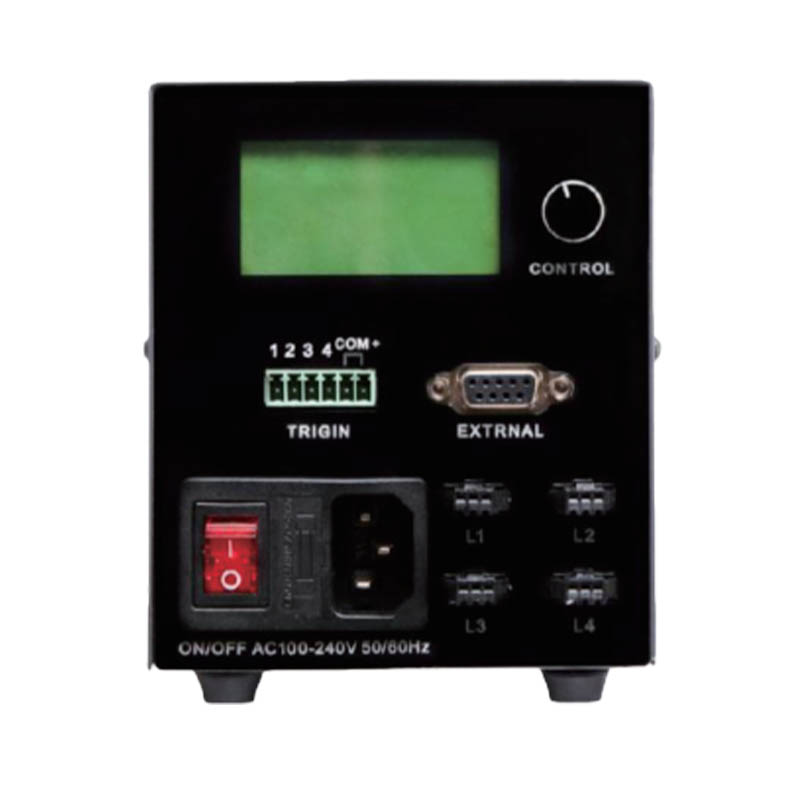
LED chips inherently possess a fast response speed, and high-density LED light sources offer even greater advantages in high-speed automated production lines. They enable rapid flickering and synchronous control, facilitating high-speed dynamic imaging in conjunction with industrial cameras. This high response performance not only improves image acquisition efficiency but also ensures clear and stable detection of rapidly moving objects.
6. Stable Heat Dissipation Extends System Lifespan
High brightness output generates heat; insufficient heat dissipation can negatively impact light source stability. Modern high-density LED machine vision light sources typically employ aluminum alloy heat dissipation structures, thermally conductive substrates, and intelligent temperature control designs to effectively reduce chip operating temperatures. Stable thermal management not only maintains brightness consistency but also extends light source lifespan, ensuring long-term stable operation of the machine vision system.
By using high-density LED chips, machine vision light sources effectively enhance image recognition accuracy and detail capture capabilities by improving brightness, optimizing illumination uniformity, enhancing detail contrast, and improving dynamic response, providing a more efficient, accurate, and stable vision solution for modern industrial automation inspection.