


How to avoid bit interference and improve screw fastening success rate in high-density screw layout products using a double-platform fully automatic screw machine?
Release Time : 2026-05-29
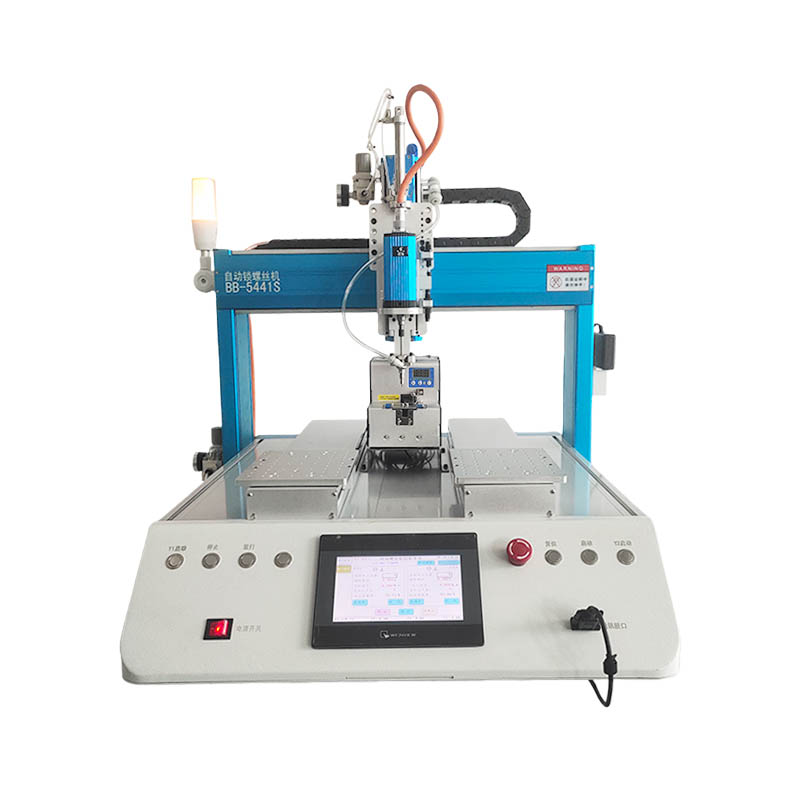
In industries such as consumer electronics, smart home appliances, communication equipment, and precision instruments, product internal structures are becoming increasingly compact, and high-density screw layouts have become a common design solution. For a double-platform fully automatic screw machine, accurately fastening a large number of screws within a limited space requires not only ensuring production efficiency but also avoiding interference between the bit and the product structure or adjacent screw positions. Improper handling can easily lead to problems such as fastening misalignment, screw damage, stripped threads, or even machine downtime.
1. Optimize bit structure design to improve adaptability in confined spaces
The bit is the direct execution component in the screw fastening process, and its structural design directly affects the applicability of the equipment. For high-density screw layout products, slender bits, reduced-diameter bits, or custom-shaped bits can be used to reduce the probability of contact with surrounding structures. At the same time, selecting a bit of appropriate length based on the screw specifications and installation depth allows it to smoothly enter narrow areas to complete the fastening operation, thereby reducing the risk of interference and improving operational stability.
2. Introduction of a High-Precision Vision Positioning System
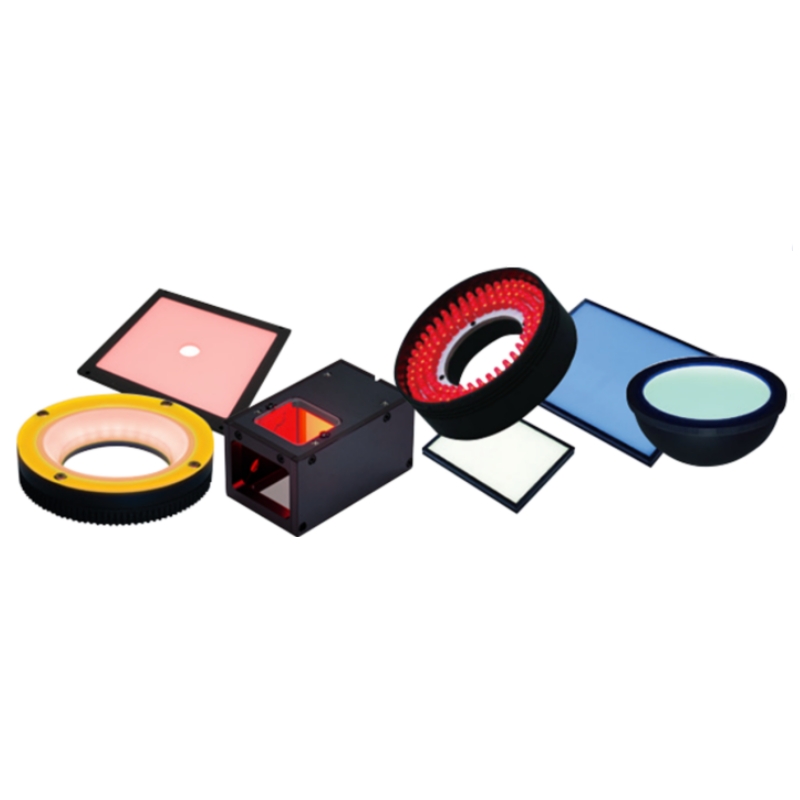
In complex product assembly processes, relying solely on fixed program operation is insufficient to handle minute positional deviations. A high-precision vision positioning system can identify product position, screw hole positions, and surrounding structural features in real time, feeding the data back to the control system. The equipment automatically corrects its movement trajectory based on the visual inspection results, ensuring the screwdriver bit always maintains the optimal fastening path. By dynamically adjusting positioning accuracy, collisions and interference caused by workpiece misalignment can be effectively avoided.
3. Optimized Motion Trajectory Planning Reduces Interference Risk
High-density screw layouts often mean that multiple fastening points are close together. If the motion path planning is unreasonable, the screwdriver bit is prone to contact with surrounding structures during movement. Therefore, intelligent algorithms are needed to optimize the fastening sequence and movement trajectory. The system can automatically calculate the optimal path based on screw positions, prioritizing fastening areas with greater space constraints, and then gradually completing other workstation operations, thereby reducing the probability of interference during mechanical movement.
4. Enhanced Platform Collaborative Control Capabilities
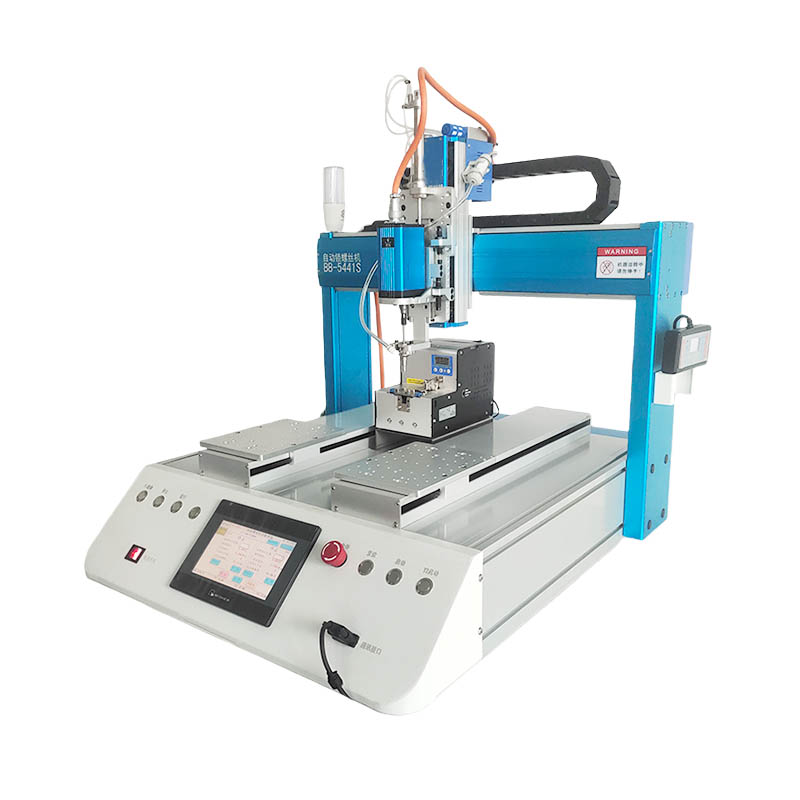
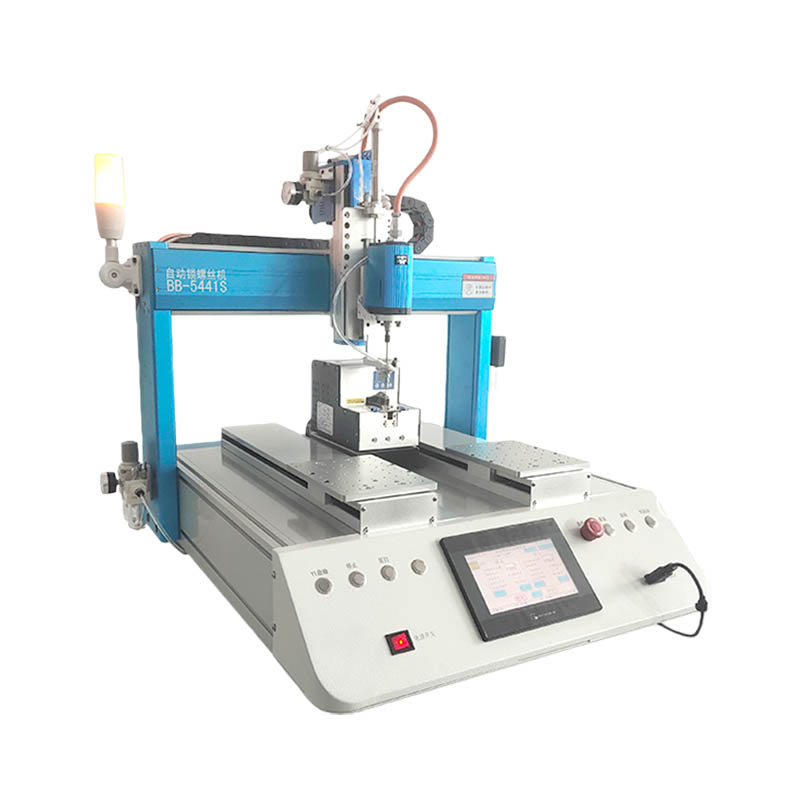
The advantage of a double-platform fully automatic screw machine is that while fastening operations are being performed on one side, loading and unloading operations can be performed simultaneously on the other side, thereby improving production efficiency. However, in high-precision assembly environments, platform switching and actuator movements must maintain a high degree of coordination. By optimizing the servo control system and motion synchronization algorithm, vibration and positional errors during equipment switching can be reduced, ensuring accurate completion of each fastening action and improving the overall success rate.
5. Enhanced Fixture Design Ensures Stable Product Positioning
The workpiece's fixed state has a significant impact on fastening quality. If the product experiences slight displacement during fastening, even with high-precision equipment, the screwdriver bit may deviate from its target position. Therefore, specialized fixtures need to be designed based on the product's structural characteristics to improve clamping stability and repeatability. Stable and reliable fixtures ensure the product maintains the correct posture, providing a solid foundation for accurate fastening.
6. Establishing Intelligent Detection and Anomaly Compensation Mechanisms
To further improve fastening success rates, modern dual-platform screw fastening machines are typically equipped with torque detection, depth detection, and visual re-inspection functions. The system can monitor the fastening status of each screw in real time, automatically performing supplementary fastening or alarm processing when an anomaly is detected. Simultaneously, by analyzing equipment operating data, the system can also proactively identify potential interference risks and optimize parameters, achieving more stable automated production.
The application of double-platform fully automatic screw machines in high-density screw layout products places higher demands on equipment precision, path planning, and intelligent control. By optimizing the bit structure design, introducing visual positioning technology, improving motion trajectory planning, enhancing platform collaborative control capabilities, strengthening fixture stability, and establishing an intelligent detection mechanism, bit interference problems can be effectively avoided, thereby improving the screw fastening success rate.
1. Optimize bit structure design to improve adaptability in confined spaces
The bit is the direct execution component in the screw fastening process, and its structural design directly affects the applicability of the equipment. For high-density screw layout products, slender bits, reduced-diameter bits, or custom-shaped bits can be used to reduce the probability of contact with surrounding structures. At the same time, selecting a bit of appropriate length based on the screw specifications and installation depth allows it to smoothly enter narrow areas to complete the fastening operation, thereby reducing the risk of interference and improving operational stability.
2. Introduction of a High-Precision Vision Positioning System
In complex product assembly processes, relying solely on fixed program operation is insufficient to handle minute positional deviations. A high-precision vision positioning system can identify product position, screw hole positions, and surrounding structural features in real time, feeding the data back to the control system. The equipment automatically corrects its movement trajectory based on the visual inspection results, ensuring the screwdriver bit always maintains the optimal fastening path. By dynamically adjusting positioning accuracy, collisions and interference caused by workpiece misalignment can be effectively avoided.
3. Optimized Motion Trajectory Planning Reduces Interference Risk
High-density screw layouts often mean that multiple fastening points are close together. If the motion path planning is unreasonable, the screwdriver bit is prone to contact with surrounding structures during movement. Therefore, intelligent algorithms are needed to optimize the fastening sequence and movement trajectory. The system can automatically calculate the optimal path based on screw positions, prioritizing fastening areas with greater space constraints, and then gradually completing other workstation operations, thereby reducing the probability of interference during mechanical movement.
4. Enhanced Platform Collaborative Control Capabilities
The advantage of a double-platform fully automatic screw machine is that while fastening operations are being performed on one side, loading and unloading operations can be performed simultaneously on the other side, thereby improving production efficiency. However, in high-precision assembly environments, platform switching and actuator movements must maintain a high degree of coordination. By optimizing the servo control system and motion synchronization algorithm, vibration and positional errors during equipment switching can be reduced, ensuring accurate completion of each fastening action and improving the overall success rate.
5. Enhanced Fixture Design Ensures Stable Product Positioning
The workpiece's fixed state has a significant impact on fastening quality. If the product experiences slight displacement during fastening, even with high-precision equipment, the screwdriver bit may deviate from its target position. Therefore, specialized fixtures need to be designed based on the product's structural characteristics to improve clamping stability and repeatability. Stable and reliable fixtures ensure the product maintains the correct posture, providing a solid foundation for accurate fastening.
6. Establishing Intelligent Detection and Anomaly Compensation Mechanisms
To further improve fastening success rates, modern dual-platform screw fastening machines are typically equipped with torque detection, depth detection, and visual re-inspection functions. The system can monitor the fastening status of each screw in real time, automatically performing supplementary fastening or alarm processing when an anomaly is detected. Simultaneously, by analyzing equipment operating data, the system can also proactively identify potential interference risks and optimize parameters, achieving more stable automated production.
The application of double-platform fully automatic screw machines in high-density screw layout products places higher demands on equipment precision, path planning, and intelligent control. By optimizing the bit structure design, introducing visual positioning technology, improving motion trajectory planning, enhancing platform collaborative control capabilities, strengthening fixture stability, and establishing an intelligent detection mechanism, bit interference problems can be effectively avoided, thereby improving the screw fastening success rate.