


How can machine vision and al solutions improve the ability to identify sub-pixel level defects in micro-defect detection?
Release Time : 2026-06-01
The application of machine vision and al solutions in industrial quality inspection is rapidly deepening, especially in industries such as electronics manufacturing, precision hardware, semiconductor packaging, and high-end materials testing, where the requirements for identifying micro-defects are constantly increasing. In these scenarios, defect sizes are often close to or even lower than the resolution of a single pixel, such as micro-cracks, minor scratches, edge burrs, or tiny contaminants. These "sub-pixel level defects" pose a significant challenge to traditional vision systems.
1. Improving Imaging Resolution and Optical System Accuracy
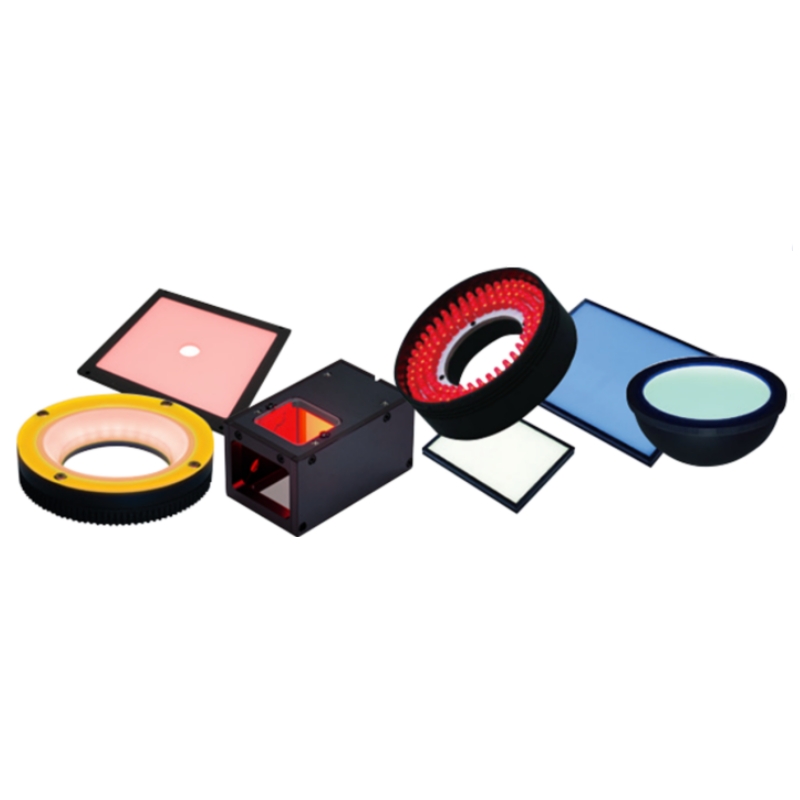
To achieve sub-pixel level defect recognition, it is first necessary to improve information acquisition capabilities at the imaging source. High-resolution industrial cameras combined with high-precision lenses can significantly improve the ability to restore image details, making micro-defects appear with clearer grayscale changes in the image. Simultaneously, by optimizing the matching relationship between optical magnification and pixel density, a identifiable gradient can be formed between multiple pixels for the target defect, thus providing basic data for subsequent sub-pixel analysis. Furthermore, using low-distortion lenses and highly uniform light sources can reduce image distortion and improve the accuracy of edge information.
2. Enhancing Detail Resolution with Sub-pixel Edge Extraction Algorithms
In traditional pixel-level analysis, defects are often identified only as "present or absent," while sub-pixel-level detection relies on fine-grained analysis of grayscale variations. Sub-pixel edge detection algorithms can mathematically model the brightness distribution within a pixel, thereby calculating edge locations with higher precision. For example, methods based on gradient interpolation or curve fitting can improve edge localization accuracy to 0.1 pixels or even higher. This method can effectively identify minute cracks or deformations that are difficult to detect with the naked eye, significantly improving detection sensitivity.
3. Introducing Deep Learning Models to Improve Feature Representation Capabilities
The introduction of artificial intelligence, especially deep learning technology, has qualitatively improved sub-pixel-level defect detection capabilities. Convolutional Neural Networks (CNNs) can automatically learn high-dimensional features in images, focusing not only on obvious defects but also capturing subtle texture changes. Through training with a large number of normal and defective samples, the model can establish complex feature mapping relationships, thereby identifying subtle anomalies that are difficult for traditional algorithms to distinguish. Simultaneously, attention-based models can focus on key areas, increasing the weight for identifying minute defects and further enhancing detection accuracy.
Single-scale image analysis often struggles to simultaneously capture both overall structure and local details. Therefore, multi-scale fusion analysis becomes a crucial method for improving sub-pixel detection capabilities. By constructing a pyramid-shaped image processing structure, feature information can be extracted at different resolution levels, enabling comprehensive analysis from macroscopic structure to microscopic details. This method effectively avoids misjudgments caused by insufficient information at a single scale, allowing the system to maintain high recognition capabilities even under complex backgrounds or low-contrast conditions.
5. Optimizing Data Augmentation and Model Generalization Ability
6. Improving Overall Accuracy by Combining High-Precision Calibration and System Calibration
Besides algorithm and model optimization, system calibration accuracy also affects sub-pixel-level detection performance. Even minute errors in the camera and lens system can amplify detection deviations. Therefore, spatial calibration using a high-precision calibration board and periodic system error correction are necessary to ensure a high degree of consistency between image coordinates and actual physical dimensions. Only through coordinated optimization of hardware and algorithms can truly stable and reliable sub-pixel-level defect detection be achieved.
In summary, the machine vision & AI solution significantly improves the sub-pixel-level recognition capability of machine vision and artificial intelligence in detecting minute defects by increasing imaging resolution, applying sub-pixel edge detection algorithms, introducing deep learning models, fusing multi-scale analysis, optimizing data training strategies, and strengthening system calibration. This meets the stringent quality control requirements of modern high-precision manufacturing.
1. Improving Imaging Resolution and Optical System Accuracy
To achieve sub-pixel level defect recognition, it is first necessary to improve information acquisition capabilities at the imaging source. High-resolution industrial cameras combined with high-precision lenses can significantly improve the ability to restore image details, making micro-defects appear with clearer grayscale changes in the image. Simultaneously, by optimizing the matching relationship between optical magnification and pixel density, a identifiable gradient can be formed between multiple pixels for the target defect, thus providing basic data for subsequent sub-pixel analysis. Furthermore, using low-distortion lenses and highly uniform light sources can reduce image distortion and improve the accuracy of edge information.
2. Enhancing Detail Resolution with Sub-pixel Edge Extraction Algorithms
In traditional pixel-level analysis, defects are often identified only as "present or absent," while sub-pixel-level detection relies on fine-grained analysis of grayscale variations. Sub-pixel edge detection algorithms can mathematically model the brightness distribution within a pixel, thereby calculating edge locations with higher precision. For example, methods based on gradient interpolation or curve fitting can improve edge localization accuracy to 0.1 pixels or even higher. This method can effectively identify minute cracks or deformations that are difficult to detect with the naked eye, significantly improving detection sensitivity.
3. Introducing Deep Learning Models to Improve Feature Representation Capabilities
The introduction of artificial intelligence, especially deep learning technology, has qualitatively improved sub-pixel-level defect detection capabilities. Convolutional Neural Networks (CNNs) can automatically learn high-dimensional features in images, focusing not only on obvious defects but also capturing subtle texture changes. Through training with a large number of normal and defective samples, the model can establish complex feature mapping relationships, thereby identifying subtle anomalies that are difficult for traditional algorithms to distinguish. Simultaneously, attention-based models can focus on key areas, increasing the weight for identifying minute defects and further enhancing detection accuracy.
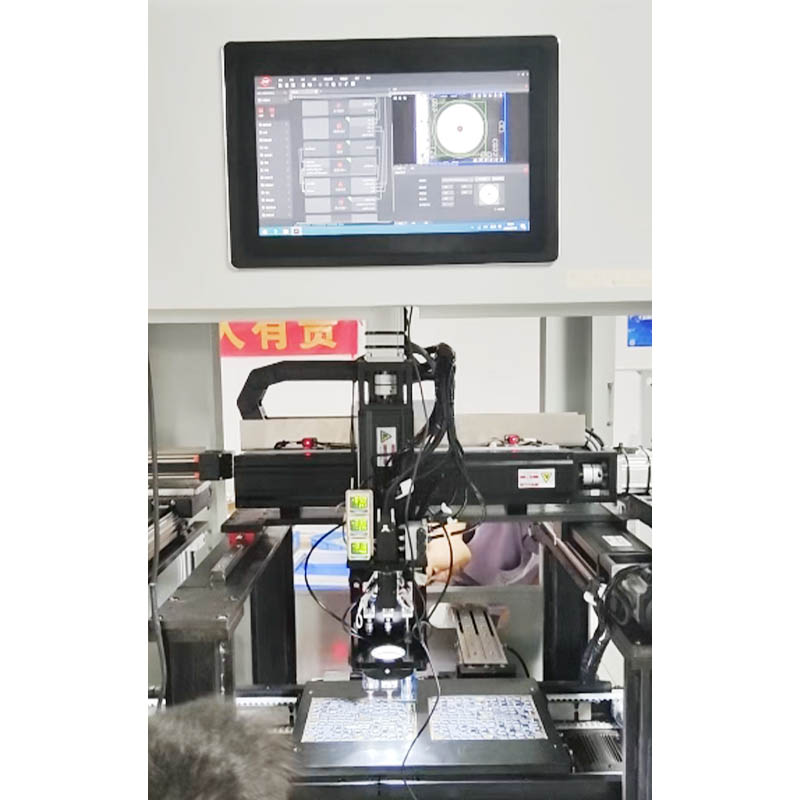
Single-scale image analysis often struggles to simultaneously capture both overall structure and local details. Therefore, multi-scale fusion analysis becomes a crucial method for improving sub-pixel detection capabilities. By constructing a pyramid-shaped image processing structure, feature information can be extracted at different resolution levels, enabling comprehensive analysis from macroscopic structure to microscopic details. This method effectively avoids misjudgments caused by insufficient information at a single scale, allowing the system to maintain high recognition capabilities even under complex backgrounds or low-contrast conditions.
5. Optimizing Data Augmentation and Model Generalization Ability
In industrial applications, the number of sub-pixel-level defect samples is often limited, posing a challenge to model training. Therefore, simulating different lighting, noise, and deformation conditions through data augmentation techniques can expand the diversity of training samples and improve model generalization ability. Simultaneously, using transfer learning methods allows for rapid adaptation using existing mature models, thereby reducing training costs and improving practical application results. This approach helps the model maintain stable performance in different production environments.
6. Improving Overall Accuracy by Combining High-Precision Calibration and System Calibration
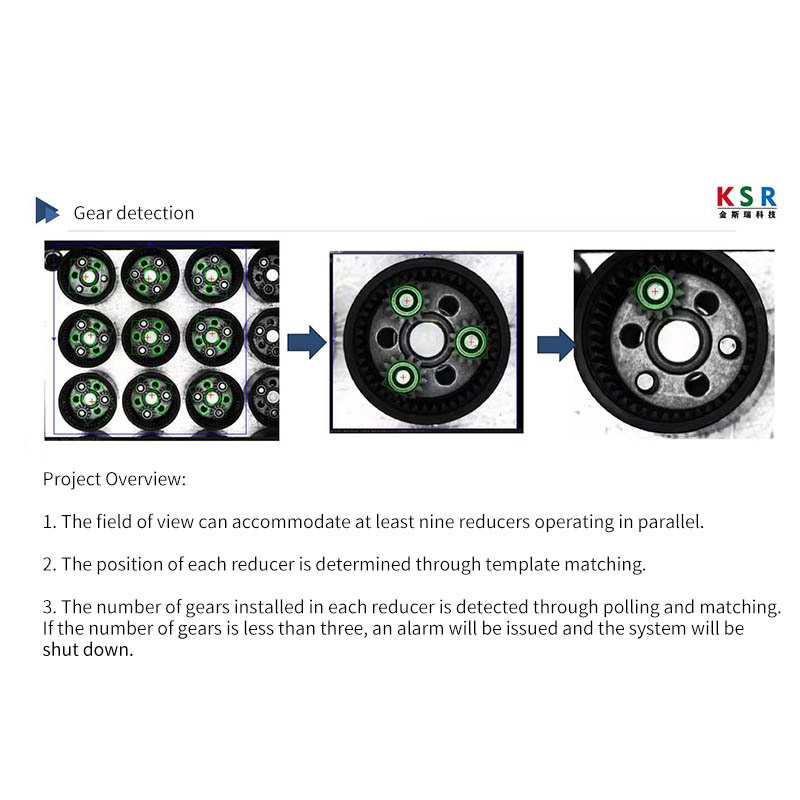
Besides algorithm and model optimization, system calibration accuracy also affects sub-pixel-level detection performance. Even minute errors in the camera and lens system can amplify detection deviations. Therefore, spatial calibration using a high-precision calibration board and periodic system error correction are necessary to ensure a high degree of consistency between image coordinates and actual physical dimensions. Only through coordinated optimization of hardware and algorithms can truly stable and reliable sub-pixel-level defect detection be achieved.
In summary, the machine vision & AI solution significantly improves the sub-pixel-level recognition capability of machine vision and artificial intelligence in detecting minute defects by increasing imaging resolution, applying sub-pixel edge detection algorithms, introducing deep learning models, fusing multi-scale analysis, optimizing data training strategies, and strengthening system calibration. This meets the stringent quality control requirements of modern high-precision manufacturing.