


How can machine vision light sources improve the clarity and stability of target edge recognition in high-precision inspection processes?
Release Time : 2026-06-11
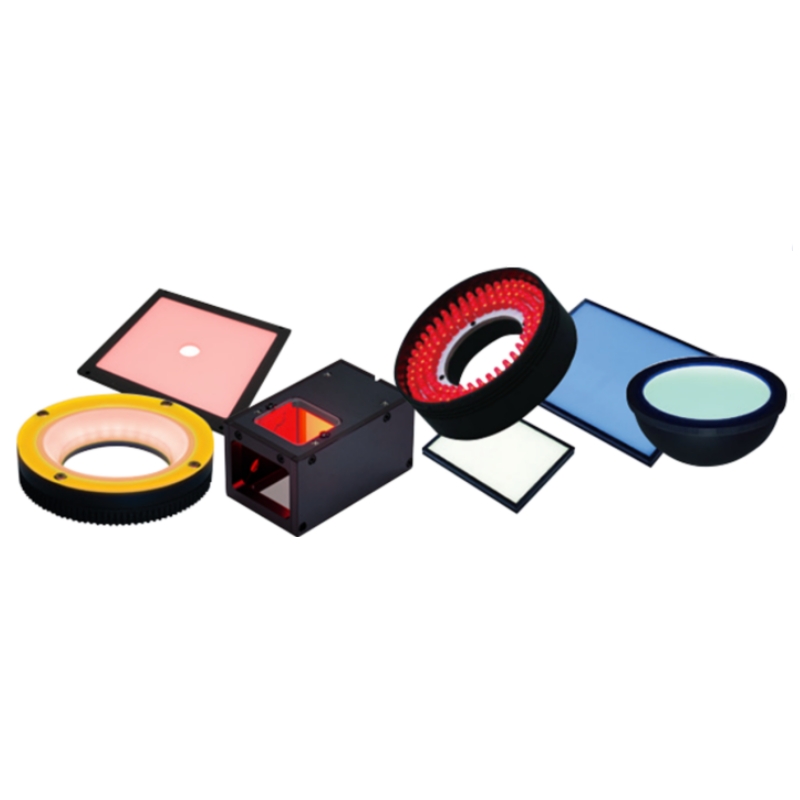
In the field of industrial automation inspection, machine vision systems have become important tools for improving product quality and production efficiency. In the entire vision inspection chain, the machine vision light source is considered one of the key factors affecting image quality. Especially in high-precision inspection scenarios such as dimensional measurement, defect detection, contour localization, and precision assembly, the clarity and stability of target edges directly affect the accuracy of the inspection results. Machine vision light sources using high-density LED chips and optional diffusers can effectively improve imaging conditions, providing a more stable and reliable optical environment for edge recognition.
1. High-brightness illumination enhances target edge contrast
The foundation of target edge recognition lies in the clear grayscale difference between the target and the background. Insufficient illumination can easily lead to increased noise, blurred edges, and lost details, thus affecting the accuracy of the vision algorithm. Machine vision light sources using high-density LED chips can provide higher luminous intensity and more stable illumination output, ensuring sufficient illumination on the surface of the inspected object.
2. Uniform Illumination Reduces Edge Recognition Errors
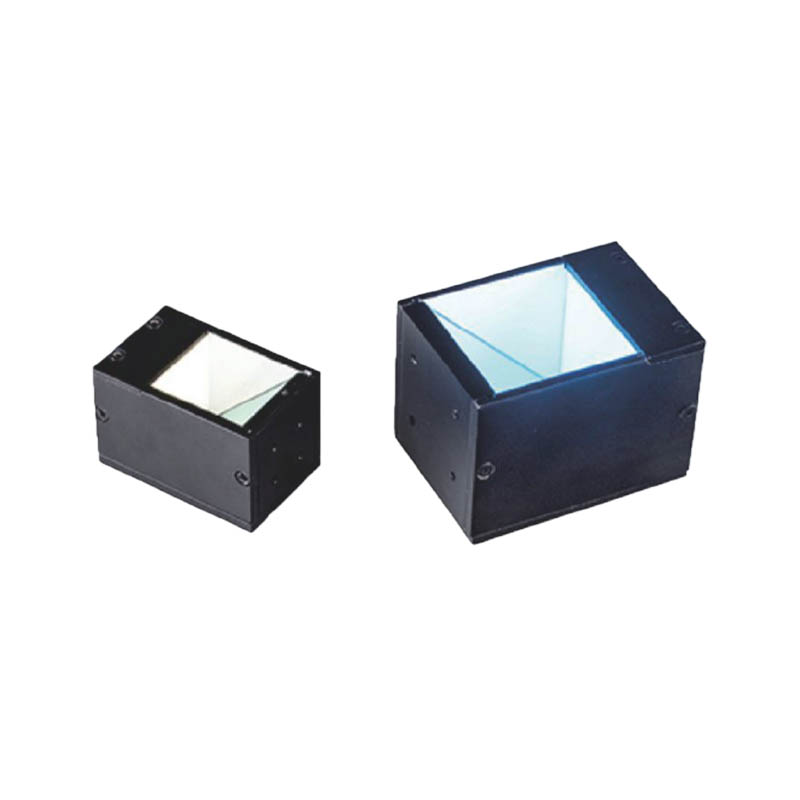
In high-precision inspection, high brightness alone is insufficient to guarantee detection quality. Uneven light distribution can easily lead to localized overexposure or shadow areas in the image, causing edge position deviations. To address this issue, machine vision light sources are often equipped with diffusers. Diffusers perform secondary homogenization of the light, making the illumination softer and more uniform, reducing hot spots and brightness fluctuations. By improving light field consistency, target edges maintain stable grayscale changes throughout the entire detection area, thereby improving the repeatability and consistency of recognition results.
3. Suppressing Reflection Interference Improves Contour Integrity
For materials with strong reflective properties, such as metals, glass, and plastics, specular reflection is often a significant factor affecting edge detection. Excessive reflected light can obscure true contour information, leading to misjudgments by the vision system. High-density LED light sources combined with diffusers can reduce the directionality of the light, making the illumination more uniform and softer, thus reducing the generation of highly reflective areas. This not only improves image quality but also ensures the integrity and continuity of target edges, providing a more accurate data foundation for subsequent dimensional measurements and defect analysis.
4. Improve Imaging Stability in Dynamic Inspection
On high-speed production lines, products are typically in continuous motion, requiring vision systems to acquire and analyze images within extremely short timeframes. Insufficient light source brightness or unstable output can easily lead to image blurring and edge distortion. Machine vision light sources employing high-density LED chips provide rapid response and consistently stable light output, maintaining good exposure even under high-speed shooting conditions. Simultaneously, a uniform lighting environment reduces illumination differences caused by changes in product position, thereby improving the stability of edge recognition.
5. Enhance the Detection Accuracy of Vision Algorithms
Modern machine vision systems widely utilize algorithms such as edge extraction, contour matching, and sub-pixel localization. These algorithms have high requirements for image quality; the clearer the edges and the more stable the grayscale transitions, the more accurate the algorithm's calculations. High-brightness and highly uniform light source configurations provide vision algorithms with higher-quality raw image data, reducing noise interference and false recognition, and improving the overall accuracy and reliability of the inspection system.
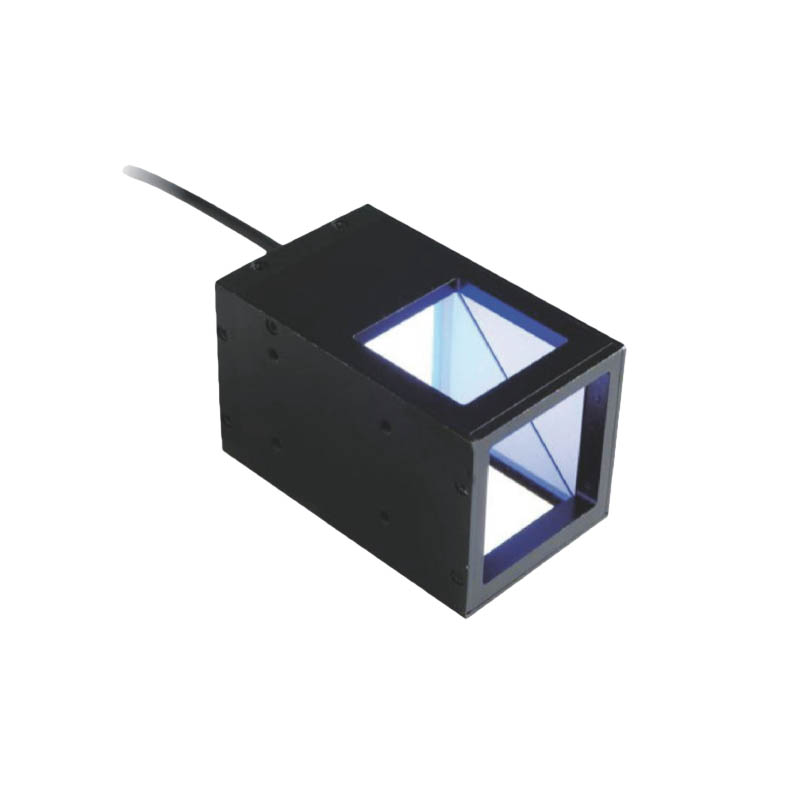
In summary, machine vision light sources, through high-density LED chips providing ample and stable brightness during high-precision detection, and with the aid of diffusers to achieve more uniform illumination distribution, effectively enhance the contrast between target edges and the background, reducing the impact of reflective interference and illumination fluctuations. This not only improves the clarity and stability of target edge recognition but also provides a strong guarantee for industrial automation inspection systems to achieve higher precision and higher efficiency in target detection.
1. High-brightness illumination enhances target edge contrast
The foundation of target edge recognition lies in the clear grayscale difference between the target and the background. Insufficient illumination can easily lead to increased noise, blurred edges, and lost details, thus affecting the accuracy of the vision algorithm. Machine vision light sources using high-density LED chips can provide higher luminous intensity and more stable illumination output, ensuring sufficient illumination on the surface of the inspected object.
2. Uniform Illumination Reduces Edge Recognition Errors
In high-precision inspection, high brightness alone is insufficient to guarantee detection quality. Uneven light distribution can easily lead to localized overexposure or shadow areas in the image, causing edge position deviations. To address this issue, machine vision light sources are often equipped with diffusers. Diffusers perform secondary homogenization of the light, making the illumination softer and more uniform, reducing hot spots and brightness fluctuations. By improving light field consistency, target edges maintain stable grayscale changes throughout the entire detection area, thereby improving the repeatability and consistency of recognition results.
3. Suppressing Reflection Interference Improves Contour Integrity
For materials with strong reflective properties, such as metals, glass, and plastics, specular reflection is often a significant factor affecting edge detection. Excessive reflected light can obscure true contour information, leading to misjudgments by the vision system. High-density LED light sources combined with diffusers can reduce the directionality of the light, making the illumination more uniform and softer, thus reducing the generation of highly reflective areas. This not only improves image quality but also ensures the integrity and continuity of target edges, providing a more accurate data foundation for subsequent dimensional measurements and defect analysis.
4. Improve Imaging Stability in Dynamic Inspection
On high-speed production lines, products are typically in continuous motion, requiring vision systems to acquire and analyze images within extremely short timeframes. Insufficient light source brightness or unstable output can easily lead to image blurring and edge distortion. Machine vision light sources employing high-density LED chips provide rapid response and consistently stable light output, maintaining good exposure even under high-speed shooting conditions. Simultaneously, a uniform lighting environment reduces illumination differences caused by changes in product position, thereby improving the stability of edge recognition.
5. Enhance the Detection Accuracy of Vision Algorithms
Modern machine vision systems widely utilize algorithms such as edge extraction, contour matching, and sub-pixel localization. These algorithms have high requirements for image quality; the clearer the edges and the more stable the grayscale transitions, the more accurate the algorithm's calculations. High-brightness and highly uniform light source configurations provide vision algorithms with higher-quality raw image data, reducing noise interference and false recognition, and improving the overall accuracy and reliability of the inspection system.
In summary, machine vision light sources, through high-density LED chips providing ample and stable brightness during high-precision detection, and with the aid of diffusers to achieve more uniform illumination distribution, effectively enhance the contrast between target edges and the background, reducing the impact of reflective interference and illumination fluctuations. This not only improves the clarity and stability of target edge recognition but also provides a strong guarantee for industrial automation inspection systems to achieve higher precision and higher efficiency in target detection.