


How can a light source controller reduce the impact of output fluctuations on detection results through optimized circuit design?
Release Time : 2026-07-16
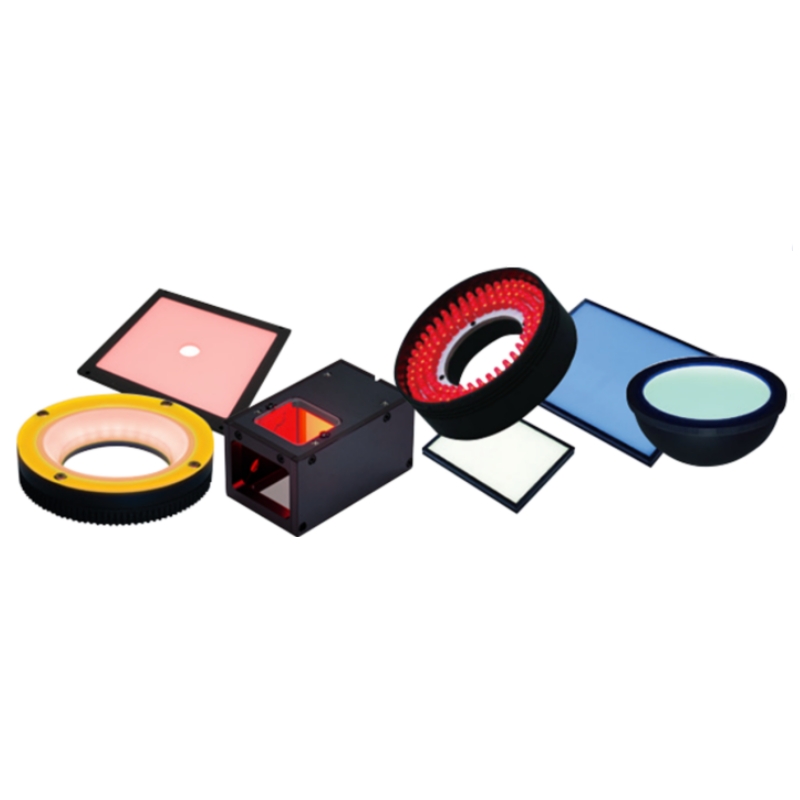
In fields such as machine vision, automated inspection, precision measurement, and industrial recognition, the stability of the light source directly affects image acquisition quality and detection accuracy. If there are brightness fluctuations or response delays in the light source output, it can easily lead to changes in image grayscale, edge recognition errors, and dimensional measurement deviations, thus affecting the stable operation of the entire inspection system. By optimizing circuit design, improving output stability, and enhancing response speed, a light source controller can effectively reduce the impact of output fluctuations on detection results, providing a more stable and reliable lighting control solution for industrial vision systems.
1. Optimized Circuit Design for Stable Light Source Output
The core task of a light source controller is to provide stable and accurate power output for LED industrial light sources. By optimizing the power management circuit and constant current drive design, the controller can effectively suppress the impact of input voltage fluctuations, keeping the output current stable and avoiding fluctuations in light source brightness. Compared to traditional driving methods, the optimized circuit reduces ripple and current fluctuations, improves illumination uniformity, and ensures that the camera receives consistent illumination conditions during continuous image acquisition. Stable light source output not only improves image contrast but also reduces misjudgments caused by changes in illumination during inspection, thus improving overall inspection accuracy.

2. High-speed response meets precision inspection needs
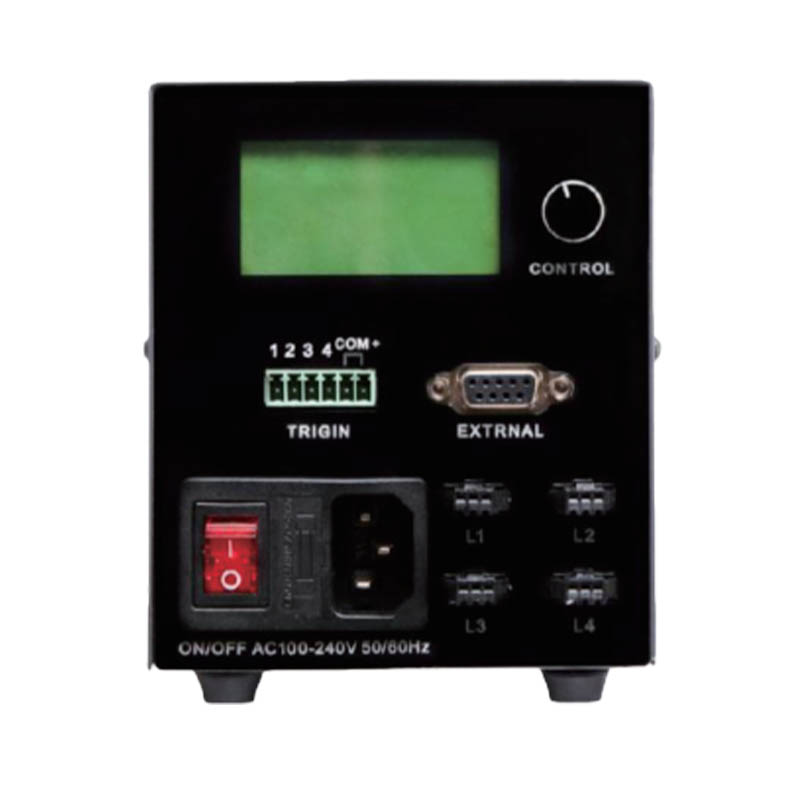
On high-speed automated production lines, the rapid movement of products places higher demands on the response speed of the light source controller. The controller employs a built-in high-speed optical coupler, combined with optimized drive circuitry, to achieve high-speed strobe control and rapid trigger response, ensuring precise synchronization between the light source and the industrial camera. High-speed strobe effectively freezes fast-moving targets, reducing image ghosting, and ensures consistent illumination intensity for each exposure, improving image acquisition quality. Simultaneously, the potentiometer's stepless dimming function allows for flexible adjustment of the light source brightness according to different inspection objects, meeting the inspection needs of different materials, colors, and surface characteristics, ensuring the machine vision system always maintains optimal imaging performance.
3. Reliable design ensures long-term stable operation
In addition to stable output and rapid response, the light source controller also needs to possess long-term reliable operation capabilities. Modern light source controllers effectively reduce the impact of external electromagnetic interference and temperature rise on output stability through optimized PCB layout, improved circuit anti-interference capabilities, and enhanced heat dissipation design, enabling devices to maintain stable performance during long-term continuous operation. The products also offer various models and customized solutions, allowing for selection of appropriate output power, control methods, and interface configurations based on different industrial vision systems, improving system compatibility. During production, the controllers undergo rigorous testing for output stability, flicker performance, response speed, and reliability, ensuring consistent quality performance for every device.
With its optimized circuit design, constant current stable output, high-speed flicker control, and rapid trigger response, the light source controller effectively reduces the impact of output fluctuations on detection results, providing more accurate, efficient, and stable light source control solutions for industries such as electronics manufacturing, semiconductors, automotive parts, medical devices, and automated inspection.
1. Optimized Circuit Design for Stable Light Source Output
The core task of a light source controller is to provide stable and accurate power output for LED industrial light sources. By optimizing the power management circuit and constant current drive design, the controller can effectively suppress the impact of input voltage fluctuations, keeping the output current stable and avoiding fluctuations in light source brightness. Compared to traditional driving methods, the optimized circuit reduces ripple and current fluctuations, improves illumination uniformity, and ensures that the camera receives consistent illumination conditions during continuous image acquisition. Stable light source output not only improves image contrast but also reduces misjudgments caused by changes in illumination during inspection, thus improving overall inspection accuracy.
2. High-speed response meets precision inspection needs
On high-speed automated production lines, the rapid movement of products places higher demands on the response speed of the light source controller. The controller employs a built-in high-speed optical coupler, combined with optimized drive circuitry, to achieve high-speed strobe control and rapid trigger response, ensuring precise synchronization between the light source and the industrial camera. High-speed strobe effectively freezes fast-moving targets, reducing image ghosting, and ensures consistent illumination intensity for each exposure, improving image acquisition quality. Simultaneously, the potentiometer's stepless dimming function allows for flexible adjustment of the light source brightness according to different inspection objects, meeting the inspection needs of different materials, colors, and surface characteristics, ensuring the machine vision system always maintains optimal imaging performance.
3. Reliable design ensures long-term stable operation
In addition to stable output and rapid response, the light source controller also needs to possess long-term reliable operation capabilities. Modern light source controllers effectively reduce the impact of external electromagnetic interference and temperature rise on output stability through optimized PCB layout, improved circuit anti-interference capabilities, and enhanced heat dissipation design, enabling devices to maintain stable performance during long-term continuous operation. The products also offer various models and customized solutions, allowing for selection of appropriate output power, control methods, and interface configurations based on different industrial vision systems, improving system compatibility. During production, the controllers undergo rigorous testing for output stability, flicker performance, response speed, and reliability, ensuring consistent quality performance for every device.
With its optimized circuit design, constant current stable output, high-speed flicker control, and rapid trigger response, the light source controller effectively reduces the impact of output fluctuations on detection results, providing more accurate, efficient, and stable light source control solutions for industries such as electronics manufacturing, semiconductors, automotive parts, medical devices, and automated inspection.