


How does a Machine Vision Light Source balance high brightness output with low heat generation to ensure continuous operation over extended periods?
Release Time : 2026-07-24
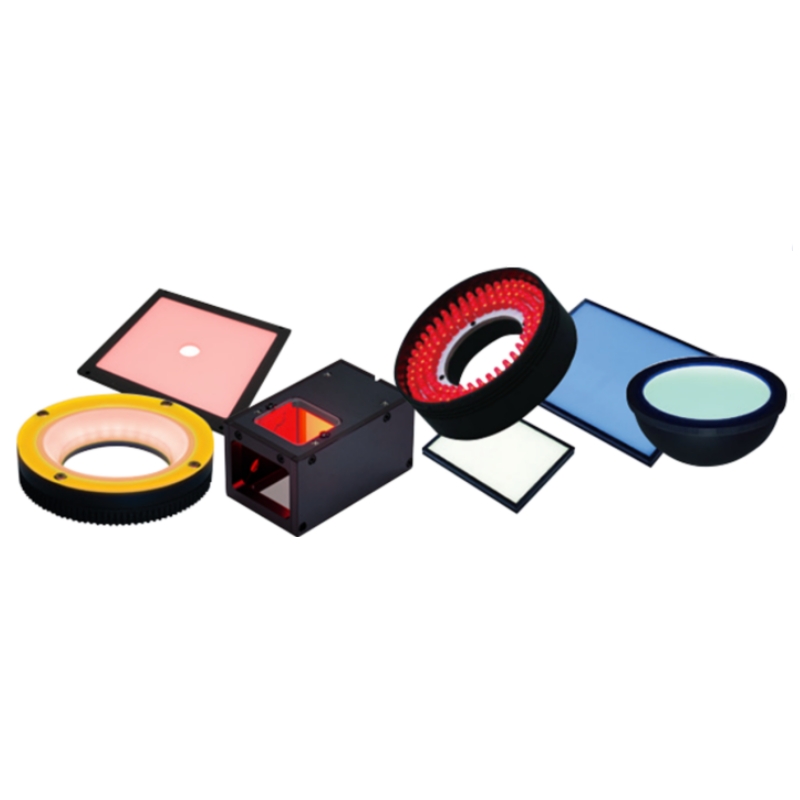
A Machine Vision Light Source is a crucial component of automated inspection systems, and its illumination quality directly impacts image acquisition and inspection accuracy. In industries such as electronics manufacturing, semiconductors, new energy, automotive parts, and food packaging, vision inspection equipment often requires continuous operation around the clock. Therefore, the light source must not only provide sufficient illumination brightness but also possess excellent heat dissipation performance. Traditional light sources, while increasing brightness, tend to generate significant heat, which not only reduces luminous efficiency but can also affect camera image quality and equipment stability. Today, Machine Vision Light Sources employing high-density LED chips achieve high brightness output while effectively controlling operating temperature rise through optimized structural design and heat dissipation solutions, providing a reliable guarantee for stable operation over long periods.
1. High-Density LED Chips Achieve Stable High-Brightness Output
High-density LED chips are a fundamental basis for improving the performance of Machine Vision Light Sources. Compared to traditional LED arrangements, high-density packaging can integrate more light-emitting units within a limited space, outputting higher light intensity and providing more ample illumination to the target object's surface. This design meets the complex application requirements of high-speed inspection, high-precision identification, and minute defect detection. Meanwhile, high-quality LED chips have higher luminous efficiency, outputting more effective light energy at the same power, reducing ineffective energy loss, lowering heat generation at the source, and ensuring stable brightness consistency during long-term operation without significant light decay due to temperature changes.
2. Efficient Heat Dissipation Design Effectively Reduces Operating Temperature Rise
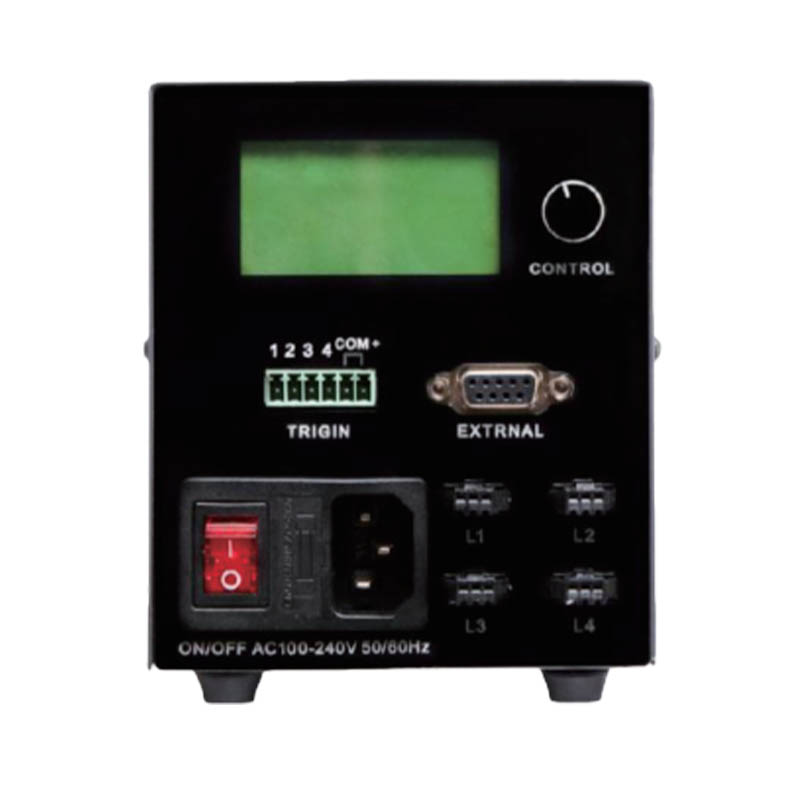
In addition to improving luminous efficiency, excellent heat dissipation design is also a crucial factor in ensuring the continuous operation of the Machine Vision Light Source. Modern Machine Vision Light Sources typically employ high thermal conductivity aluminum alloy casings, metal heat sinks, and optimized heat dissipation fin structures, allowing the heat generated by the LED chips to be quickly conducted and dissipated into the air. Simultaneously, a reasonable internal structural layout reduces heat accumulation, improves airflow efficiency, and further lowers the overall operating temperature. For high-power vision inspection equipment, active cooling solutions or intelligent temperature control technology can be combined to automatically adjust the operating status based on real-time temperature, preventing light decay, color temperature drift, or device aging due to overheating, thereby extending the overall lifespan of the device.
3. Uniform Illumination Enhances Inspection Stability
In machine vision applications, high brightness is not the only metric; light uniformity is equally crucial. By configuring diffusers, the Machine Vision Light Source effectively improves light distribution, making the illuminated area more uniform, reducing localized overexposure, shadows, and reflections, and improving image quality. Uniform and stable illumination not only helps improve camera acquisition accuracy but also reduces the complexity of image algorithm processing, making defect identification more accurate and reliable. For continuously operating automated production lines, a stable and consistent lighting environment reduces the number of recalibrations, improves equipment operating efficiency and inspection consistency, and lowers maintenance costs for enterprises.
With the continuous upgrading of intelligent manufacturing and industrial automation, machine vision systems are placing higher demands on light source performance. In the future, the Machine Vision Light Source will continue to develop towards high brightness, high efficiency, low power consumption, and intelligence, achieving a balance between high brightness output and low heat generation through high-density LED chips, excellent heat dissipation structures, uniform optical design, and intelligent temperature control technology. For users, when selecting a Machine Vision Light Source, they should focus on key indicators such as LED chip quality, heat dissipation capacity, light uniformity, and continuous working stability to ensure that the equipment can maintain a stable and reliable lighting effect under long-term, high-load operation conditions, providing continuous and stable technical support for high-precision visual inspection and intelligent manufacturing.
1. High-Density LED Chips Achieve Stable High-Brightness Output
High-density LED chips are a fundamental basis for improving the performance of Machine Vision Light Sources. Compared to traditional LED arrangements, high-density packaging can integrate more light-emitting units within a limited space, outputting higher light intensity and providing more ample illumination to the target object's surface. This design meets the complex application requirements of high-speed inspection, high-precision identification, and minute defect detection. Meanwhile, high-quality LED chips have higher luminous efficiency, outputting more effective light energy at the same power, reducing ineffective energy loss, lowering heat generation at the source, and ensuring stable brightness consistency during long-term operation without significant light decay due to temperature changes.
2. Efficient Heat Dissipation Design Effectively Reduces Operating Temperature Rise
In addition to improving luminous efficiency, excellent heat dissipation design is also a crucial factor in ensuring the continuous operation of the Machine Vision Light Source. Modern Machine Vision Light Sources typically employ high thermal conductivity aluminum alloy casings, metal heat sinks, and optimized heat dissipation fin structures, allowing the heat generated by the LED chips to be quickly conducted and dissipated into the air. Simultaneously, a reasonable internal structural layout reduces heat accumulation, improves airflow efficiency, and further lowers the overall operating temperature. For high-power vision inspection equipment, active cooling solutions or intelligent temperature control technology can be combined to automatically adjust the operating status based on real-time temperature, preventing light decay, color temperature drift, or device aging due to overheating, thereby extending the overall lifespan of the device.
3. Uniform Illumination Enhances Inspection Stability
In machine vision applications, high brightness is not the only metric; light uniformity is equally crucial. By configuring diffusers, the Machine Vision Light Source effectively improves light distribution, making the illuminated area more uniform, reducing localized overexposure, shadows, and reflections, and improving image quality. Uniform and stable illumination not only helps improve camera acquisition accuracy but also reduces the complexity of image algorithm processing, making defect identification more accurate and reliable. For continuously operating automated production lines, a stable and consistent lighting environment reduces the number of recalibrations, improves equipment operating efficiency and inspection consistency, and lowers maintenance costs for enterprises.
With the continuous upgrading of intelligent manufacturing and industrial automation, machine vision systems are placing higher demands on light source performance. In the future, the Machine Vision Light Source will continue to develop towards high brightness, high efficiency, low power consumption, and intelligence, achieving a balance between high brightness output and low heat generation through high-density LED chips, excellent heat dissipation structures, uniform optical design, and intelligent temperature control technology. For users, when selecting a Machine Vision Light Source, they should focus on key indicators such as LED chip quality, heat dissipation capacity, light uniformity, and continuous working stability to ensure that the equipment can maintain a stable and reliable lighting effect under long-term, high-load operation conditions, providing continuous and stable technical support for high-precision visual inspection and intelligent manufacturing.