


How does Smart Camera reduce the installation and maintenance difficulty of industrial vision systems through its integrated design?
Release Time : 2026-08-07
With the continuous development of industrial automation and intelligent manufacturing, vision inspection systems have become an important part of production line quality control. Traditional industrial vision systems typically consist of multiple independent modules such as cameras, light sources, lenses, controllers, and software platforms. The installation process is complex, requiring highly skilled personnel for commissioning, and subsequent maintenance also requires significant time and cost. Smart Camera, through its integrated design, integrates image acquisition, light source control, algorithm processing, and user interaction functions into a single device, effectively simplifying the system structure and providing a more convenient and efficient solution for industrial vision applications.
1. Integrated Structure Simplifies Equipment Installation
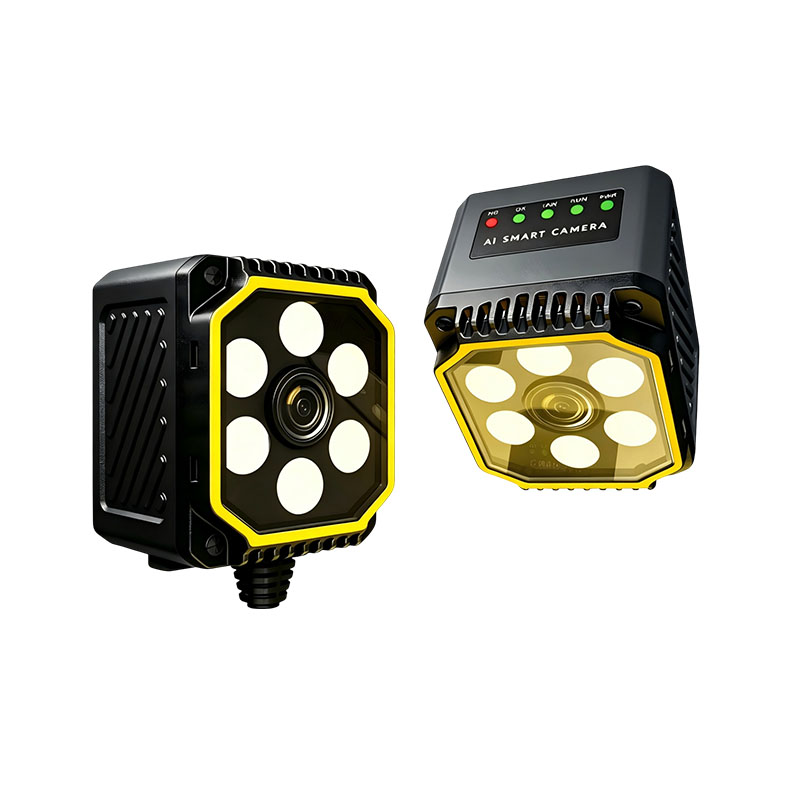
Smart Camera adopts a compact, integrated design, concentrating the industrial camera, digital light source, processing unit, and vision algorithm software within a single device. Compared to traditional vision systems that require the installation of multiple hardware modules, Smart Camera eliminates the need for complex wiring connections and spatial layout planning. It only requires fixed installation and basic parameter configuration before it can be put into use.
This design significantly reduces the number of installation steps and simplifies on-site wiring, making it particularly suitable for applications with limited space on automated production lines. Whether upgrading equipment or building new production lines, Smart Cameras enable rapid deployment, helping companies shorten project implementation cycles and improve automation upgrade efficiency.
2. Built-in Light Source Optimizes Image Acquisition Stability
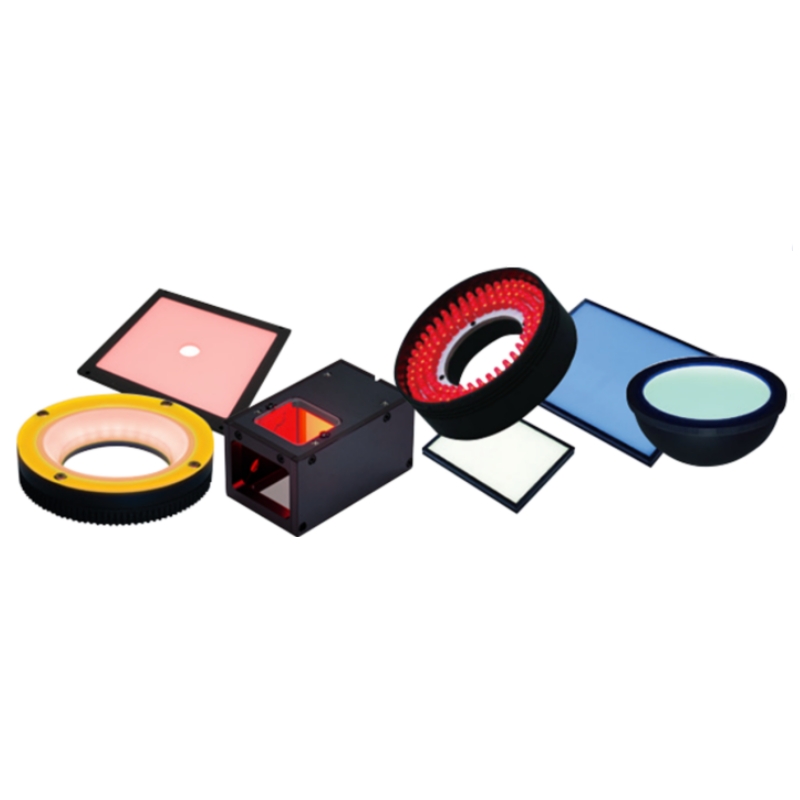
Industrial vision inspection has high requirements for lighting conditions. Traditional solutions typically require separate external light sources, constantly adjusting their position and brightness according to product characteristics, increasing installation and debugging difficulty.
Smart Cameras, through a built-in adjustable digital light source, achieve unified management of the inspection environment and image acquisition module. Operators can adjust lighting parameters according to different inspection objects, making visual information such as product outlines, characters, and colors clearer and more stable. The integrated light source not only reduces the need for additional equipment but also reduces inspection errors caused by light source offset or aging, improving the long-term reliability of the system.
3. AI Vision Algorithms Reduce Debugging and Maintenance Complexity
Traditional industrial vision systems usually require professional personnel for image processing, parameter adjustment, and program development. Smart Cameras, however, have built-in self-developed AI vision algorithm software that supports multiple functions such as presence detection, orientation recognition, size measurement, contour matching, OCR character recognition, color recognition, and spot counting.
Through software-based intelligent configuration, users can quickly select the corresponding detection mode according to production needs, completing vision task settings without complex programming. When product specifications change, adaptation can be achieved simply by adjusting algorithm parameters, effectively reducing equipment maintenance difficulty and improving production line adjustment flexibility.
4. Industrial-grade design enhances equipment maintenance reliability
The Smart Camera's body uses a die-cast aluminum alloy structure and a fully sealed design, achieving an IP65 protection rating, effectively resisting dust, moisture, and environmental interference in industrial environments. Compared to open vision systems, multi-module combined equipment is more susceptible to external environmental influences, requiring regular inspection and maintenance.
The integrated sealed structure reduces the risk of internal component exposure, improving equipment stability and enabling it to adapt to long-term continuous operation requirements. Simultaneously, the robust housing design enhances the equipment's impact resistance, reducing maintenance frequency due to environmental factors.
5. Unified communication interface facilitates system integration and management
The Smart Camera not only integrates vision inspection functions but also supports digital input, digital output, and Modbus-RTU serial communication protocols, enabling real-time data exchange with PLCs and other automation equipment.
Through a unified interface design, Smart Cameras can be quickly integrated into existing production control systems, enabling feedback of inspection results, equipment linkage, and automated control. Enterprises can achieve collaborative operation of visual inspection and production processes without the need for additional complex communication modules.
Smart Cameras, with their integrated design, highly integrate image acquisition, light source control, AI algorithm processing, and industrial communication functions, effectively reducing the installation and maintenance difficulty of industrial vision systems. Their compact structure simplifies equipment deployment, built-in light sources improve inspection stability, intelligent algorithms reduce debugging complexity, and industrial-grade protection design ensures long-term reliable operation. In the future, as the demand for intelligent manufacturing continues to increase, Smart Cameras will play an even more important role in automated inspection, quality control, and industrial digital upgrading.
1. Integrated Structure Simplifies Equipment Installation
Smart Camera adopts a compact, integrated design, concentrating the industrial camera, digital light source, processing unit, and vision algorithm software within a single device. Compared to traditional vision systems that require the installation of multiple hardware modules, Smart Camera eliminates the need for complex wiring connections and spatial layout planning. It only requires fixed installation and basic parameter configuration before it can be put into use.
This design significantly reduces the number of installation steps and simplifies on-site wiring, making it particularly suitable for applications with limited space on automated production lines. Whether upgrading equipment or building new production lines, Smart Cameras enable rapid deployment, helping companies shorten project implementation cycles and improve automation upgrade efficiency.
2. Built-in Light Source Optimizes Image Acquisition Stability
Industrial vision inspection has high requirements for lighting conditions. Traditional solutions typically require separate external light sources, constantly adjusting their position and brightness according to product characteristics, increasing installation and debugging difficulty.
Smart Cameras, through a built-in adjustable digital light source, achieve unified management of the inspection environment and image acquisition module. Operators can adjust lighting parameters according to different inspection objects, making visual information such as product outlines, characters, and colors clearer and more stable. The integrated light source not only reduces the need for additional equipment but also reduces inspection errors caused by light source offset or aging, improving the long-term reliability of the system.
3. AI Vision Algorithms Reduce Debugging and Maintenance Complexity
Traditional industrial vision systems usually require professional personnel for image processing, parameter adjustment, and program development. Smart Cameras, however, have built-in self-developed AI vision algorithm software that supports multiple functions such as presence detection, orientation recognition, size measurement, contour matching, OCR character recognition, color recognition, and spot counting.
Through software-based intelligent configuration, users can quickly select the corresponding detection mode according to production needs, completing vision task settings without complex programming. When product specifications change, adaptation can be achieved simply by adjusting algorithm parameters, effectively reducing equipment maintenance difficulty and improving production line adjustment flexibility.
4. Industrial-grade design enhances equipment maintenance reliability
The Smart Camera's body uses a die-cast aluminum alloy structure and a fully sealed design, achieving an IP65 protection rating, effectively resisting dust, moisture, and environmental interference in industrial environments. Compared to open vision systems, multi-module combined equipment is more susceptible to external environmental influences, requiring regular inspection and maintenance.
The integrated sealed structure reduces the risk of internal component exposure, improving equipment stability and enabling it to adapt to long-term continuous operation requirements. Simultaneously, the robust housing design enhances the equipment's impact resistance, reducing maintenance frequency due to environmental factors.
5. Unified communication interface facilitates system integration and management
The Smart Camera not only integrates vision inspection functions but also supports digital input, digital output, and Modbus-RTU serial communication protocols, enabling real-time data exchange with PLCs and other automation equipment.
Through a unified interface design, Smart Cameras can be quickly integrated into existing production control systems, enabling feedback of inspection results, equipment linkage, and automated control. Enterprises can achieve collaborative operation of visual inspection and production processes without the need for additional complex communication modules.
Smart Cameras, with their integrated design, highly integrate image acquisition, light source control, AI algorithm processing, and industrial communication functions, effectively reducing the installation and maintenance difficulty of industrial vision systems. Their compact structure simplifies equipment deployment, built-in light sources improve inspection stability, intelligent algorithms reduce debugging complexity, and industrial-grade protection design ensures long-term reliable operation. In the future, as the demand for intelligent manufacturing continues to increase, Smart Cameras will play an even more important role in automated inspection, quality control, and industrial digital upgrading.